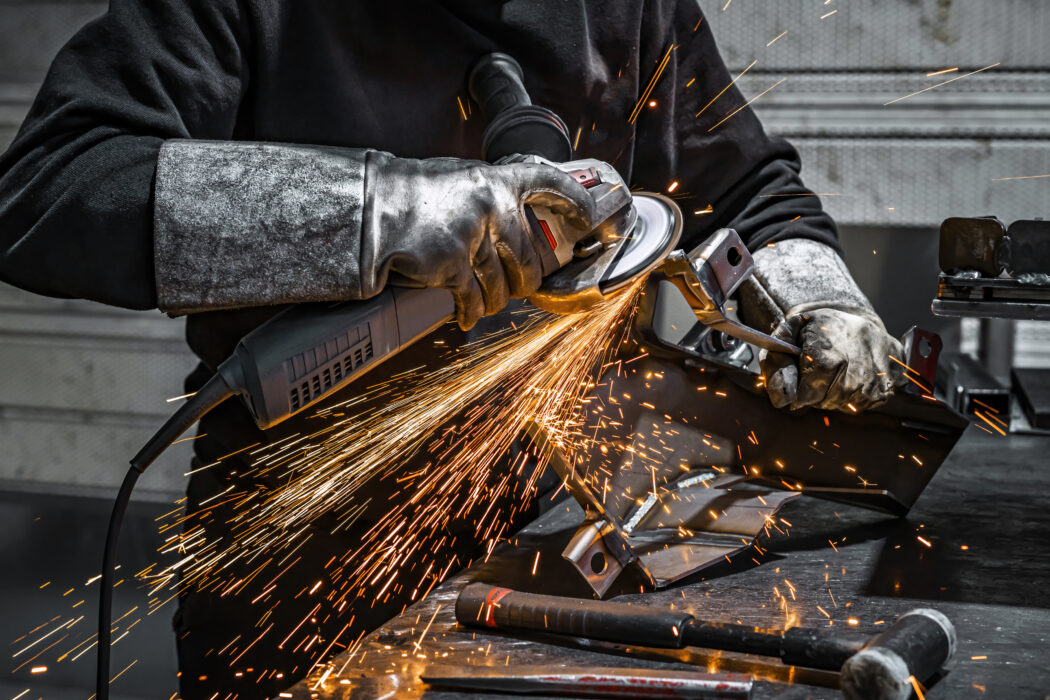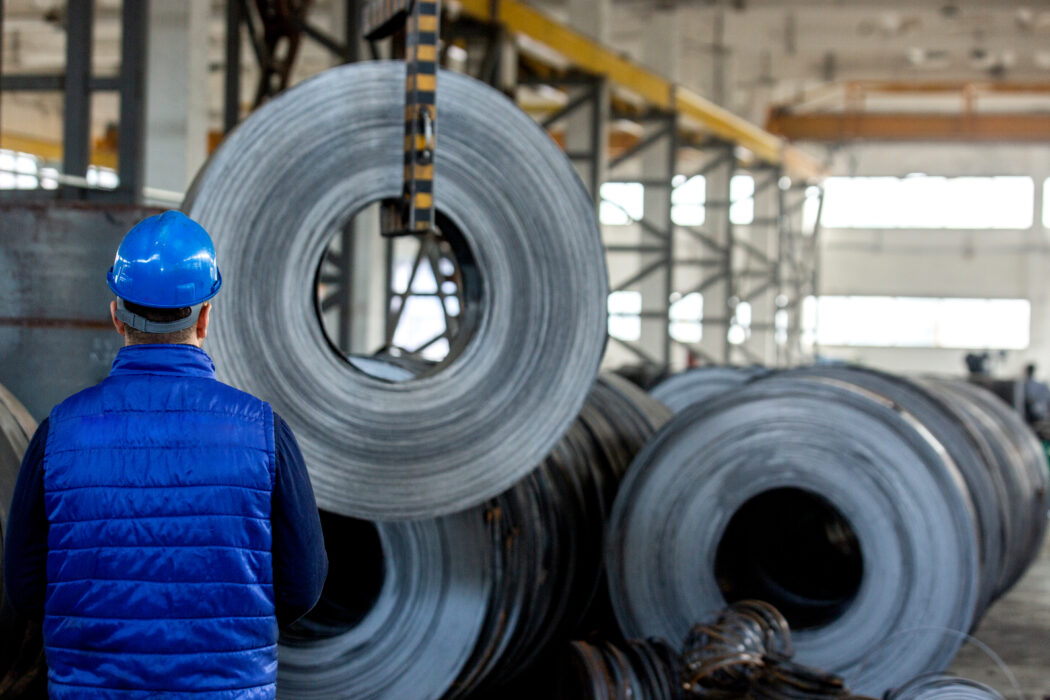
Heavy engineering projects require materials that can withstand extreme loads, harsh environments, high temperatures, and continuous mechanical stress. Steel plates play a critical role in these industries because of their exceptional strength, durability, and versatility.
From industrial machinery and mining equipment to power plants and infrastructure projects, different types of steel plates are selected based on performance requirements and operating conditions.
Understanding the various types of steel plates used in heavy engineering helps manufacturers, engineers, and project managers choose the most suitable material for their applications.
Index
Why Steel Plates Are Important in Heavy Engineering
Heavy engineering industries operate in demanding conditions where materials must provide long term reliability and structural integrity. Steel plates offer the mechanical properties necessary to support large equipment, industrial machinery, and infrastructure systems.
Their ability to handle high loads and resist wear makes them essential for modern engineering projects.
Key Requirements in Heavy Engineering
- High strength
- Excellent durability
- Resistance to wear
- Good weldability
- Long service life
Mild Steel Plates
Mild steel plates are among the most commonly used materials in heavy engineering because of their affordability and ease of fabrication.
These plates provide good strength and can be easily welded, cut, and shaped for different industrial applications.
Common Applications
- Equipment frames
- Industrial structures
- Machinery components
- Fabrication projects
- Storage systems
Alloy Steel Plates
Alloy steel plates contain additional elements such as chromium, nickel, and molybdenum to improve strength, toughness, and heat resistance.
These plates are suitable for demanding environments where standard steel may not provide sufficient performance.
Applications of Alloy Steel Plates
- Power plants
- Mining equipment
- Pressure vessels
- Heavy machinery
- Industrial processing systems
Stainless Steel Plates
Stainless steel plates are selected for applications requiring corrosion resistance and long term durability.
Their resistance to moisture, chemicals, and harsh environments makes them suitable for many engineering sectors.
Common Uses
- Chemical processing plants
- Food manufacturing facilities
- Marine equipment
- Pharmaceutical production systems
- Water treatment plants
High Strength Structural Steel Plates
High strength structural steel plates provide greater load carrying capacity while allowing engineers to reduce overall structural weight.
These materials are widely used in infrastructure and industrial engineering projects.
Applications
- Bridges
- Industrial buildings
- Offshore structures
- Transportation infrastructure
- Heavy construction projects
Wear Resistant Steel Plates
Wear resistant steel plates are designed to perform in abrasive environments where equipment experiences continuous friction and impact.
They help extend equipment life and reduce maintenance requirements.
Typical Applications
- Mining equipment
- Crushers and conveyors
- Material handling systems
- Excavation machinery
- Industrial processing equipment
Pressure Vessel Steel Plates
Pressure vessel steel plates are manufactured for applications involving high pressure and elevated temperatures.
These plates are widely used in energy production and industrial processing facilities.
Applications
- Boilers
- Heat exchangers
- Storage tanks
- Industrial reactors
- Energy production facilities
How to Choose the Right Steel Plate
Selecting the correct steel plate requires careful consideration of operating conditions, mechanical requirements, environmental exposure, and project specifications.
Factors to Evaluate
- Strength requirements
- Corrosion resistance needs
- Operating temperatures
- Wear conditions
- Fabrication requirements
- Industry regulations and standards
Working with an experienced steel supplier helps ensure the best material selection for each project.
Conclusion
Heavy engineering projects depend on a wide range of steel plates to achieve safety, reliability, and long term performance. Mild steel, alloy steel, stainless steel, structural steel, wear resistant steel, and pressure vessel plates each provide unique advantages for different applications.
Choosing the right steel plate helps improve operational efficiency, reduce maintenance costs, and increase equipment lifespan. As heavy engineering industries continue growing, high quality steel plates will remain a critical component of industrial development.
Looking for Premium Quality Steel Plates for Heavy Engineering Projects?
Namco Industries supplies high quality steel plates for construction, power generation, mining, manufacturing, infrastructure, and heavy engineering industries across India.