Steel plates are one of the most important materials used in modern industries. Known for their strength, durability, and versatility, steel plates are widely used in construction, manufacturing, engineering, shipbuilding, infrastructure, energy production, and heavy industrial applications.
Manufactured in various grades, thicknesses, and dimensions, steel plates provide structural support and long term reliability in projects that require high load carrying capacity and resistance to demanding operating conditions.
As industrial development continues to expand globally, steel plates remain a fundamental material that supports economic growth and infrastructure development.
Index
What Are Steel Plates?
Steel plates are flat pieces of steel manufactured in different thicknesses, widths, and lengths to meet industrial requirements. They are produced through rolling processes and may undergo additional treatments to improve mechanical properties and surface quality.
Steel plates are used in applications where structural strength, durability, and reliability are critical for long term performance.
Characteristics of Steel Plates
- High mechanical strength
- Excellent durability
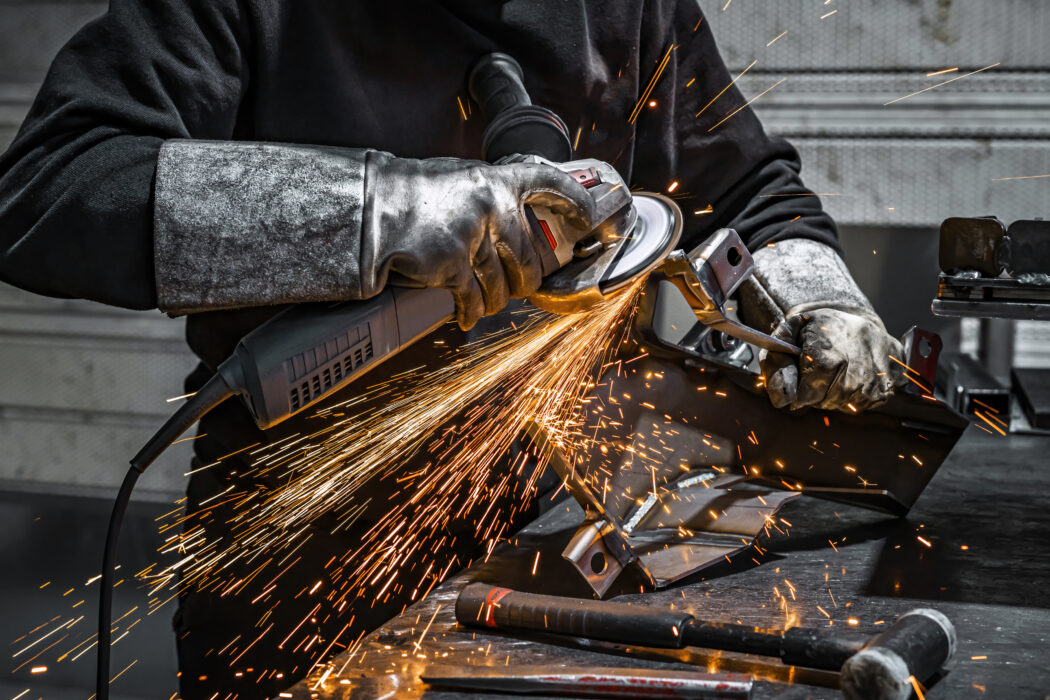
- Good weldability
- Long service life
- Wide availability in different grades
How Steel Plates Are Manufactured
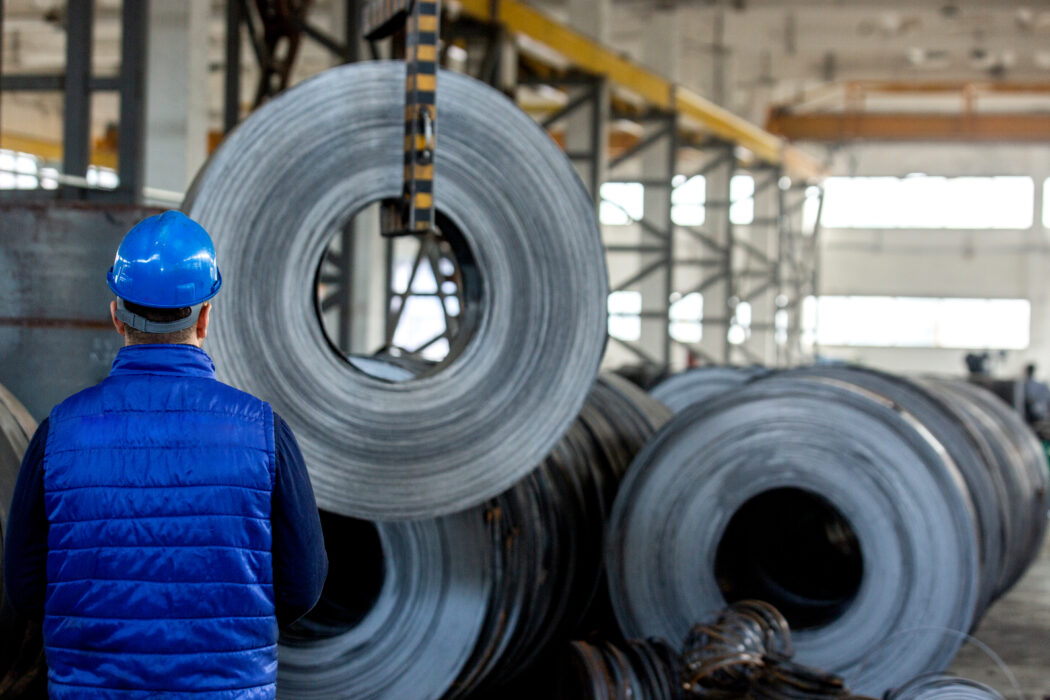
Steel plates are typically produced through hot rolling or cold rolling processes depending on the intended application and surface requirements.
Modern steel manufacturing facilities use advanced technology and quality control systems to ensure consistent thickness, strength, and dimensional accuracy.
Main Production Steps
- Raw material preparation
- Melting and refining
- Rolling process
- Heat treatment
- Quality inspection and testing
Types of Steel Plates
Mild Steel Plates
Widely used in construction and fabrication because of affordability and ease of processing.
Stainless Steel Plates
Known for excellent corrosion resistance and commonly used in chemical, food, and marine industries.
Alloy Steel Plates
Contain additional alloying elements that improve strength, wear resistance, and heat resistance.
High Strength Structural Steel Plates
Designed for demanding structural applications requiring high load carrying capacity.
Wear Resistant Steel Plates
Used in mining, heavy machinery, and abrasive operating environments.
Key Properties of Steel Plates
High Strength
Steel plates provide excellent structural support for heavy industrial applications.
Durability
Their robust construction ensures reliable performance over long periods.
Weldability
Most steel plates can be welded and fabricated efficiently for various projects.
Versatility
Steel plates are available in multiple grades and dimensions for different industries.
Resistance to Mechanical Stress
Steel plates maintain performance under heavy loads and demanding operating conditions.
Benefits of Steel Plates
- Long service life
- High structural reliability
- Excellent fabrication capabilities
- Cost effective performance
- Low maintenance requirements
- Wide industrial compatibility
- Strong load carrying capacity
- Excellent durability
Industrial Applications of Steel Plates
Construction Industry
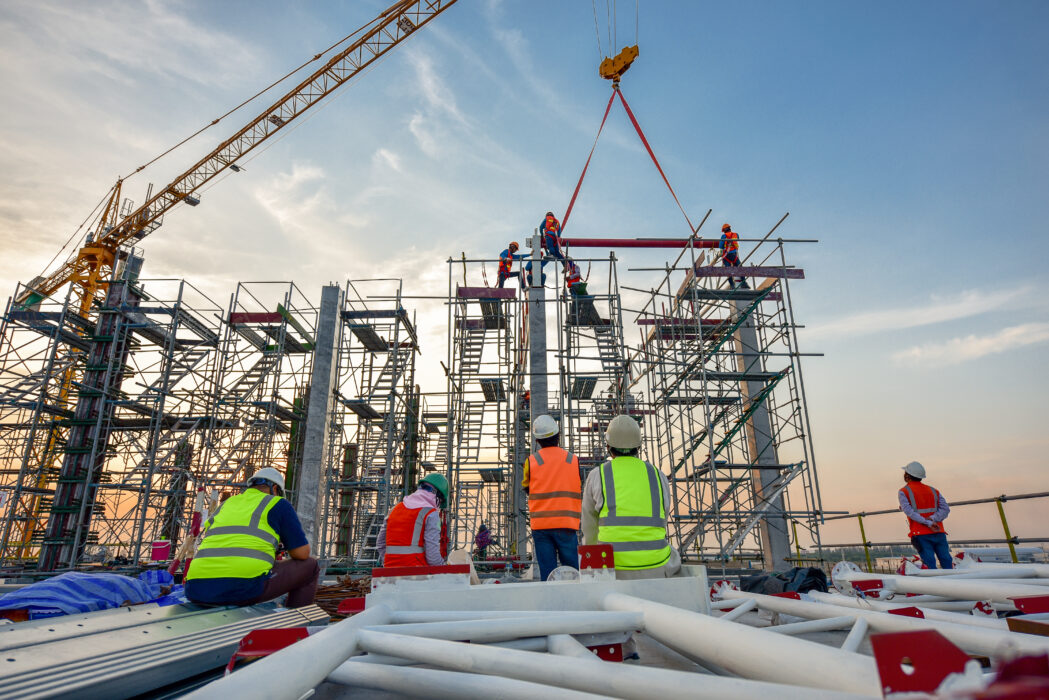
Steel plates are used in buildings, bridges, industrial facilities, and infrastructure projects.
Manufacturing Industry
Industrial machinery, equipment frames, and fabrication projects depend heavily on steel plates.
Shipbuilding Industry
Marine vessels and offshore structures use steel plates because of their strength and reliability.
Oil and Gas Industry
Pipelines, pressure vessels, and storage tanks require durable steel materials.
Power Generation Industry
Steel plates are used in boilers, turbines, and energy production systems.
Mining Industry
Mining equipment and material handling systems require wear resistant steel solutions.
How to Choose the Right Steel Plate
Selecting the right steel plate depends on project requirements, operating conditions, environmental exposure, and performance expectations.
Factors to Consider
- Required strength
- Corrosion resistance needs
- Operating temperature
- Plate thickness requirements
- Fabrication requirements
- Industry standards and specifications
Working with an experienced steel supplier helps ensure the correct material is selected for the intended application.
Conclusion
Steel plates are an essential material used across construction, manufacturing, engineering, shipbuilding, energy, and heavy industries. Their strength, durability, and versatility make them one of the most valuable materials in modern industrial development.
Understanding the different types, properties, and applications of steel plates helps businesses select the most suitable material for their projects and achieve better long term performance.
As industries continue evolving, steel plates will remain a critical component supporting infrastructure growth and technological advancement worldwide.
Need Premium Quality Steel Plates for Your Industrial Projects?
Namco Industries supplies high quality mild steel plates, alloy steel plates, stainless steel plates, and industrial steel solutions for projects across India.