Steel plate surface finish plays an important role in determining the appearance, durability, corrosion resistance, and performance of steel products. Different industries require different surface finishes depending on environmental conditions, operational requirements, and aesthetic preferences.
From construction and heavy engineering to food processing and pharmaceutical manufacturing, selecting the correct steel plate finish helps improve product life, reduce maintenance costs, and enhance overall performance.
Understanding the various steel plate surface finishes and their applications can help engineers, fabricators, and buyers choose the most suitable material for their projects.
Index
Why Surface Finish Matters
The surface condition of a steel plate influences several important factors including corrosion resistance, paint adhesion, appearance, cleanliness, and wear performance.
Selecting the right finish ensures that the steel plate performs effectively in its intended environment while meeting industry standards and customer expectations.
Factors Influenced by Surface Finish
- Corrosion resistance
- Visual appearance
- Cleaning requirements
- Coating performance
- Product lifespan
Hot Rolled Surface Finish
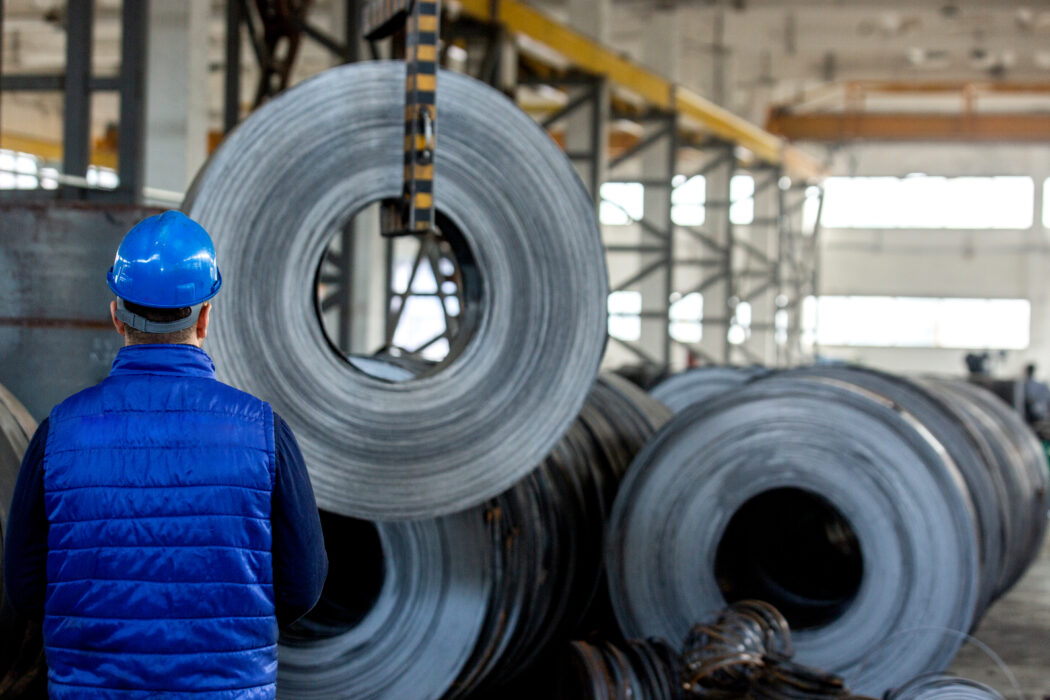
Hot rolled steel plates typically have a rough and scaled surface created during the high temperature rolling process. This finish is widely used in structural and industrial applications where appearance is less important than strength and cost effectiveness.
Advantages of Hot Rolled Finish
- Economical production
- Suitable for heavy engineering
- Excellent structural performance
- Available in large dimensions
Typical Applications
- Construction structures
- Industrial fabrication
- Bridge components
- Heavy machinery
Pickled and Oiled Surface Finish
Pickling removes surface scale and impurities using controlled chemical treatment, while oiling protects the steel surface from rust during storage and transportation.
This finish provides a cleaner surface that is suitable for further processing and fabrication.
Benefits
- Cleaner surface quality
- Improved corrosion protection
- Better weldability
- Enhanced paint adhesion
Applications
- Automotive components
- Industrial fabrication
- Equipment manufacturing
- Steel processing industries
Cold Rolled Surface Finish
Cold rolled steel plates have a smoother and more uniform surface compared to hot rolled products. The additional processing improves dimensional accuracy and surface appearance.
Advantages
- Improved surface quality
- Better dimensional precision
- Enhanced appearance
- Superior coating performance
Applications
- Precision engineering
- Automotive manufacturing
- Appliance production
- Industrial equipment
Polished Surface Finish
Polished steel plates undergo additional processing to create a smooth and attractive appearance. The finish also improves cleanliness and corrosion resistance.
Benefits
- Attractive appearance
- Easy cleaning
- Improved hygiene
- Enhanced corrosion resistance
Applications
- Food processing equipment
- Pharmaceutical facilities
- Architectural structures
- Decorative applications
Mirror Finish Surface
Mirror finish steel plates provide an extremely reflective and visually appealing surface. They are commonly used in premium architectural and decorative applications.
Advantages
- Premium appearance
- Excellent cleanability
- High corrosion resistance
- Modern visual appeal
Applications
- Interior architecture
- Luxury commercial projects
- Decorative installations
- Premium industrial equipment
Shot Blasted Surface Finish
Shot blasting removes mill scale and creates a uniform surface texture that improves coating adhesion and corrosion protection.
Benefits
- Improved paint adhesion
- Uniform surface appearance
- Enhanced coating performance
- Reduced contamination
Applications
- Structural steel fabrication
- Marine structures
- Industrial equipment
- Infrastructure projects
Applications Across Industries
Construction Industry
Structural steel projects often use hot rolled and shot blasted finishes.
Food Processing Industry
Polished stainless steel finishes provide hygiene and easy cleaning.
Automotive Manufacturing
Cold rolled and pickled surfaces support precision manufacturing.
Marine Industry
Corrosion resistant finishes help improve durability in marine environments.
Architectural Projects
Polished and mirror finishes provide visual appeal and modern aesthetics.
How to Choose the Right Surface Finish
Selecting the appropriate finish depends on environmental conditions, appearance requirements, maintenance expectations, and fabrication needs.
Selection Factors
- Exposure to moisture or chemicals
- Visual appearance requirements
- Corrosion resistance needs
- Cleaning and maintenance expectations
- Budget considerations
Conclusion
Steel plate surface finishes play an important role in determining product performance, appearance, and service life. Different finishes offer unique advantages for construction, manufacturing, food processing, marine engineering, and architectural applications.
Choosing the right surface finish helps improve durability, reduce maintenance costs, and ensure optimal performance throughout the lifecycle of the project.
Working with an experienced steel supplier can help businesses select the best finish for their specific industrial requirements.
Looking for Premium Quality Steel Plates with Various Surface Finishes?
Namco Industries supplies high quality steel plates with multiple finish options for construction, engineering, manufacturing, and industrial applications across India.