Steel plates are the backbone of modern infrastructure, construction, engineering, shipbuilding, energy production, and heavy manufacturing industries. Behind every high quality steel plate is an advanced manufacturing process that combines technology, precision, and strict quality control measures.
Modern steel plate manufacturing has evolved significantly over the years. Today’s steel plants use automated systems, advanced metallurgical processes, and digital quality monitoring to produce steel plates that meet demanding industrial requirements.
Understanding the journey from furnace to finish helps businesses appreciate the technology and expertise involved in producing premium quality steel plates.
Index
Raw Material Preparation
The steel manufacturing process begins with carefully selected raw materials. Iron ore, scrap steel, and alloying elements are prepared to achieve the desired chemical composition and mechanical properties.
The quality of raw materials directly influences the strength, durability, and performance of the final steel plate.
Primary Raw Materials
- Iron ore
- Steel scrap
- Chromium
- Nickel
- Manganese
- Molybdenum
Steel Melting Process
The prepared raw materials are melted in high temperature furnaces where temperatures can exceed several thousand degrees Celsius. This stage transforms solid materials into molten steel ready for refining and composition control.
Modern steel plants use advanced furnace technologies to improve energy efficiency and reduce environmental impact.
Common Furnace Types
- Electric arc furnaces
- Basic oxygen furnaces
- Induction furnaces
Steel Refining and Composition Control
After melting, the molten steel undergoes refining to remove impurities and achieve the desired chemical composition. Alloying elements are carefully added to improve properties such as strength, corrosion resistance, toughness, and heat resistance.
This stage is critical for producing steel plates that meet specific industrial standards and customer requirements.
Benefits of Refining
- Improved material purity
- Consistent chemical composition
- Enhanced mechanical properties
- Better product reliability
Continuous Casting Process
The refined molten steel is poured into molds during the continuous casting process to create semi finished slabs. These slabs become the starting material for steel plate production.
Continuous casting improves efficiency and ensures consistent quality throughout the production process.
Advantages of Continuous Casting
- Uniform dimensions
- Improved production efficiency
- Reduced material waste
- Better quality consistency
Hot Rolling and Plate Formation
Steel slabs are reheated and passed through rolling mills where they are compressed into steel plates of specific thicknesses and dimensions.
The rolling process determines many of the final product characteristics including thickness accuracy, strength, and surface quality.
Benefits of Hot Rolling
- Improved workability
- Enhanced mechanical strength
- Efficient large scale production
- Wide thickness range availability
Heat Treatment Process
Some steel plates undergo heat treatment processes to further improve their mechanical properties. Heat treatment can increase hardness, toughness, wear resistance, and structural performance.
Different heat treatment methods are selected depending on the intended industrial application.
Common Heat Treatment Methods
- Normalizing
- Quenching
- Tempering
- Annealing
Quality Inspection and Testing
Modern steel manufacturing facilities use strict quality control procedures to ensure every steel plate meets industry standards and customer specifications.
Mechanical testing, dimensional verification, and surface inspections are performed throughout the manufacturing process.
Testing Procedures
- Chemical composition analysis
- Tensile strength testing
- Impact testing
- Ultrasonic inspection
- Dimensional measurement
Final Processing and Finishing
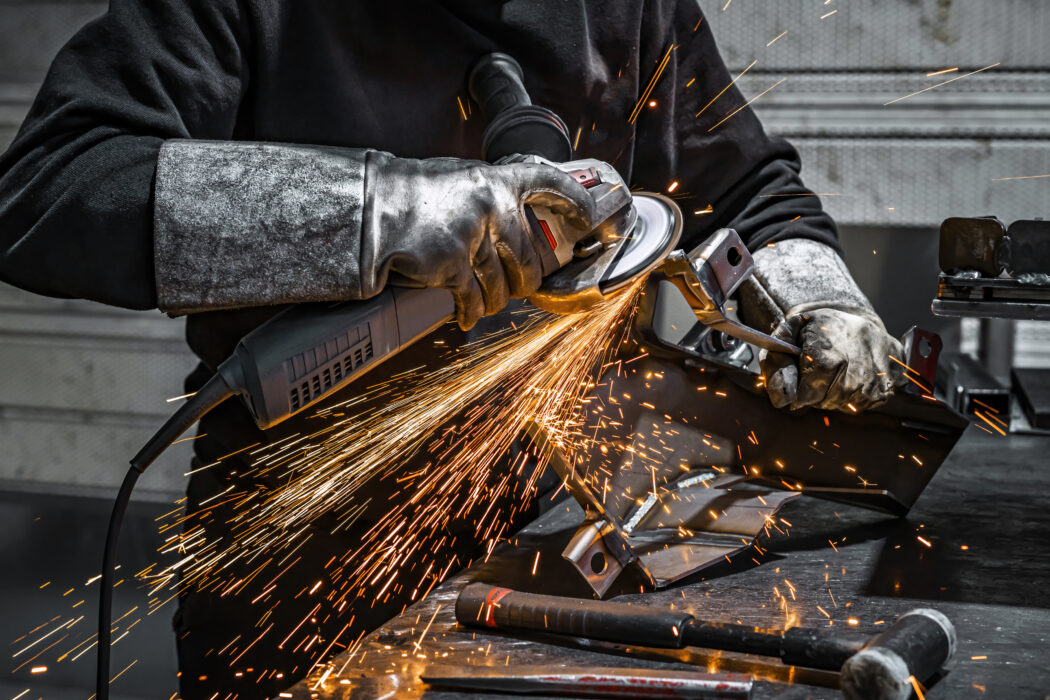
After inspection, steel plates undergo final processing operations such as cutting, edge preparation, surface treatment, and marking before shipment to customers.
The finishing stage ensures that steel plates meet exact project requirements and are ready for fabrication or installation.
Final Processing Operations
- Precision cutting
- Surface cleaning
- Edge preparation
- Plate marking and identification
- Packaging and delivery preparation
Conclusion
Modern steel plate manufacturing is a highly advanced process that combines metallurgy, automation, and quality control to produce reliable industrial materials. From furnace operations and refining to rolling, heat treatment, and final inspection, every stage contributes to the quality and performance of the finished steel plate.
As industries continue demanding stronger, more durable, and more sustainable materials, modern manufacturing technologies will continue shaping the future of steel production worldwide.
Choosing steel plates from trusted manufacturers ensures consistent quality, improved reliability, and long term value for industrial projects.
Looking for Premium Quality Steel Plates for Your Projects?
Namco Industries supplies high quality steel plates for construction, engineering, shipbuilding, manufacturing, and industrial applications across India.