In industries where strength, durability, and performance are non-negotiable, alloy steel plates have become a trusted material of choice. Whether it’s for constructing high-rise buildings, manufacturing heavy machinery, or building bridges, these plates deliver unmatched mechanical strength and reliability.
Let’s explore how alloy steel plates play a vital role in modern construction and heavy industrial equipment, and why they are indispensable for projects that demand both power and precision.
What Are Alloy Steel Plates?
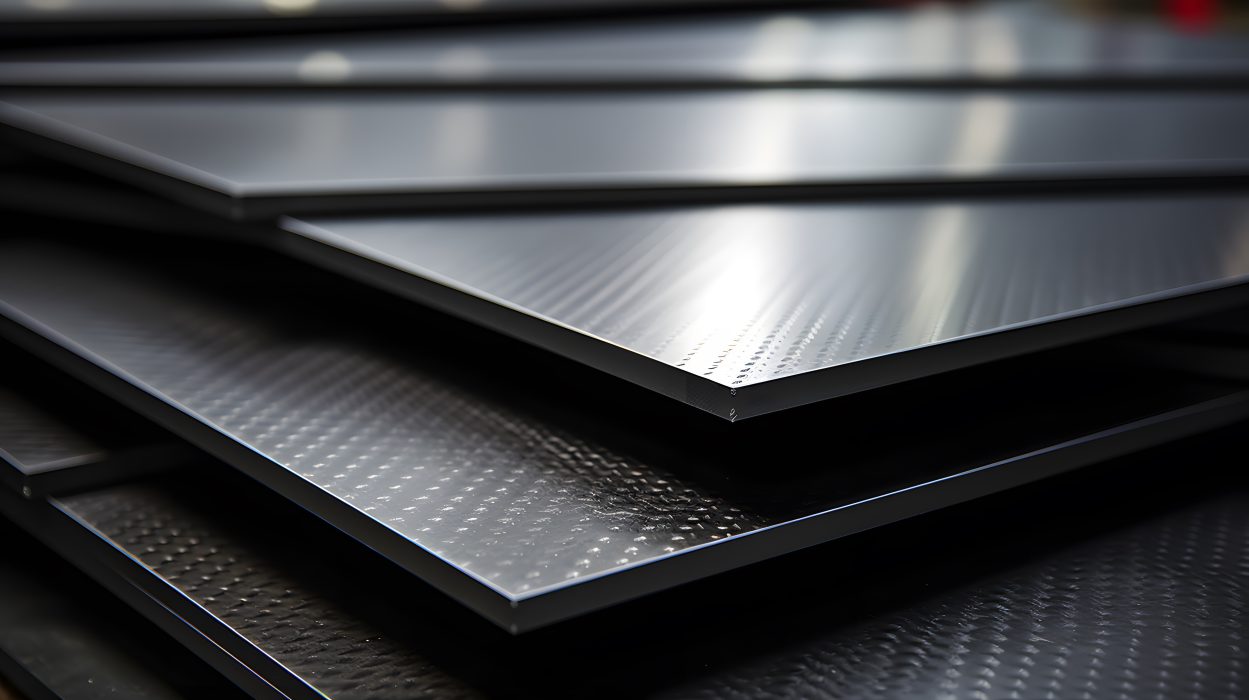
Alloy steel plates are steel sheets enhanced with alloying elements like chromium, nickel, molybdenum, vanadium, and manganese. These elements modify the chemical composition of steel, making it stronger, tougher, and more resistant to wear, heat, and corrosion than traditional carbon steel.
Depending on the combination of alloys, these plates can be engineered for specific industrial needs, from load-bearing structures to high-pressure machinery.
Key Properties of Alloy Steel Plates
-
High Strength and Toughness: Ideal for handling heavy loads and stress.
-
Excellent Heat Resistance: Performs well under high-temperature conditions.
-
Corrosion and Wear Resistance: Withstands moisture, chemicals, and abrasive environments.
-
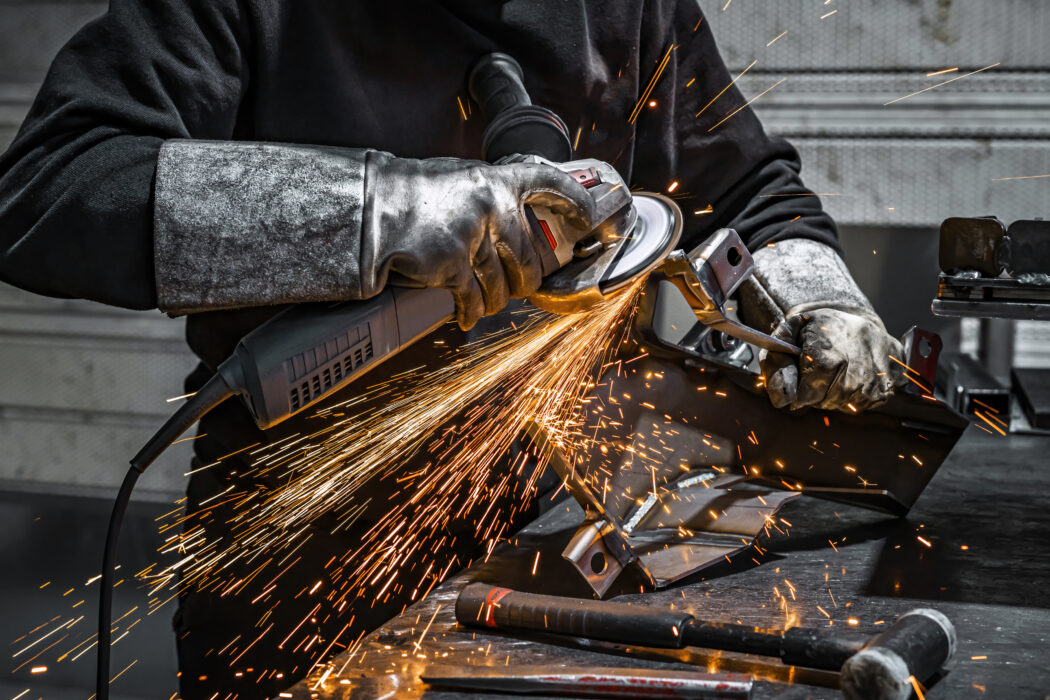
Good Weldability and Fabrication: Can be shaped, cut, and welded to meet custom design needs.
Role of Alloy Steel Plates in Heavy Machinery
1. Enhanced Structural Strength
Heavy machinery such as cranes, excavators, bulldozers, and mining equipment operate under massive loads and vibrations. Alloy steel plates provide the tensile and yield strength needed to ensure machine stability, reliability, and longer service life.
2. Wear and Impact Resistance
Machinery used in mining, earthmoving, and construction is often exposed to abrasive materials and harsh working conditions. Alloy steel plates, with added elements like chromium and molybdenum, provide superior wear resistance and impact strength, reducing downtime and maintenance costs.
3. Heat and Pressure Durability
In industries like manufacturing and power generation, machinery often operates under extreme heat and pressure. Alloy steel plates maintain their strength and hardness even at elevated temperatures, ensuring consistent performance in boilers, pressure vessels, and turbines.
4. Long-Term Cost Efficiency
Although alloy steel plates may cost more initially, their low maintenance and high durability make them a cost-effective choice over time. They reduce repair frequency and extend the lifespan of heavy machinery components.
Role of Alloy Steel Plates in Construction
1. High-Strength Structural Components
Modern infrastructure projects demand materials that can bear enormous weight and stress. Alloy steel plates are used in bridges, flyovers, skyscrapers, and industrial buildings where structural reliability is essential.
2. Resistance to Environmental Stress
Construction projects often face extreme weather, humidity, and corrosive conditions. Alloy steel plates resist rust, moisture, and chemical exposure — ensuring safety and stability in long-term installations.
3. Versatility in Fabrication
Alloy steel plates are easy to cut, weld, and shape, making them ideal for customized structural elements like columns, beams, and reinforcements. This versatility helps engineers design stronger, more efficient structures.
4. Safety and Longevity
Using high-quality alloy steel ensures that structures remain safe, stable, and long-lasting, even under dynamic loads or environmental stress. This makes them an ideal choice for both commercial and industrial construction projects.
Common Grades of Alloy Steel Plates Used
Some of the widely used grades include:
-
ASTM A387 Grade 11/22: For high-temperature pressure vessels and boilers.
-
EN 10025-6 S690QL: For high-strength construction applications.
-
AISI 4140 / 4340: For heavy machinery, shafts, and industrial equipment.
Each grade offers specific mechanical properties designed for different industrial conditions.
Conclusion
The role of alloy steel plates in heavy machinery and construction is crucial to modern engineering. Their exceptional combination of strength, resistance, and adaptability ensures reliability and safety in demanding environments.
Click Here to share your requirement and receive a detailed RFQ from Namco Industries today.