Selecting the appropriate steel plate thickness is one of the most important decisions in any construction, fabrication, engineering, or industrial project. The right thickness affects structural integrity, safety, performance, fabrication efficiency, and overall project cost.
Steel plates are available in various thicknesses to meet the needs of different applications. Choosing a plate that is too thin may compromise strength and durability, while selecting an unnecessarily thick plate can increase material costs and project expenses.
Understanding the key factors involved in steel plate selection can help businesses, contractors, engineers, and project managers make informed decisions and achieve better long term results.
Index
Why Steel Plate Thickness Matters
Steel plate thickness directly influences the strength, stability, and service life of a structure or component. Proper thickness selection ensures that steel plates can safely withstand operational loads, environmental exposure, vibration, and mechanical stress.
Incorrect thickness selection may lead to structural failures, increased maintenance costs, or unnecessary material expenditure.
Key Considerations
- Structural safety
- Load carrying capacity
- Long term durability
- Fabrication efficiency
- Project budget optimization
Consider Load Bearing Requirements
One of the first factors to evaluate is the amount of load the steel plate must support during operation. Projects involving heavy machinery, bridges, industrial equipment, and high rise buildings often require thicker steel plates to maintain structural integrity.
Engineers should calculate both static and dynamic loads to determine the most suitable thickness.
Examples of Load Intensive Applications
- Bridge construction
- Industrial platforms
- Pressure vessels
- Storage tanks
- Heavy equipment manufacturing
Identify the Project Application
Different industries require different steel plate thicknesses depending on the intended use of the material.
Understanding the specific application helps ensure optimal performance and compliance with industry requirements.
Typical Applications
- Construction structures
- Shipbuilding projects
- Power generation facilities
- Oil and gas installations
- Manufacturing equipment
- Mining machinery
Evaluate Environmental Conditions
Environmental exposure plays an important role in selecting steel plate thickness. Projects operating in coastal areas, chemical plants, or high temperature environments may require thicker or specially designed plates to improve durability.
Environmental factors can significantly affect the lifespan and performance of steel materials.
Conditions to Consider
- Moisture exposure
- Corrosive environments
- Extreme temperatures
- Heavy abrasion
- Outdoor weather conditions
Understand Fabrication Requirements
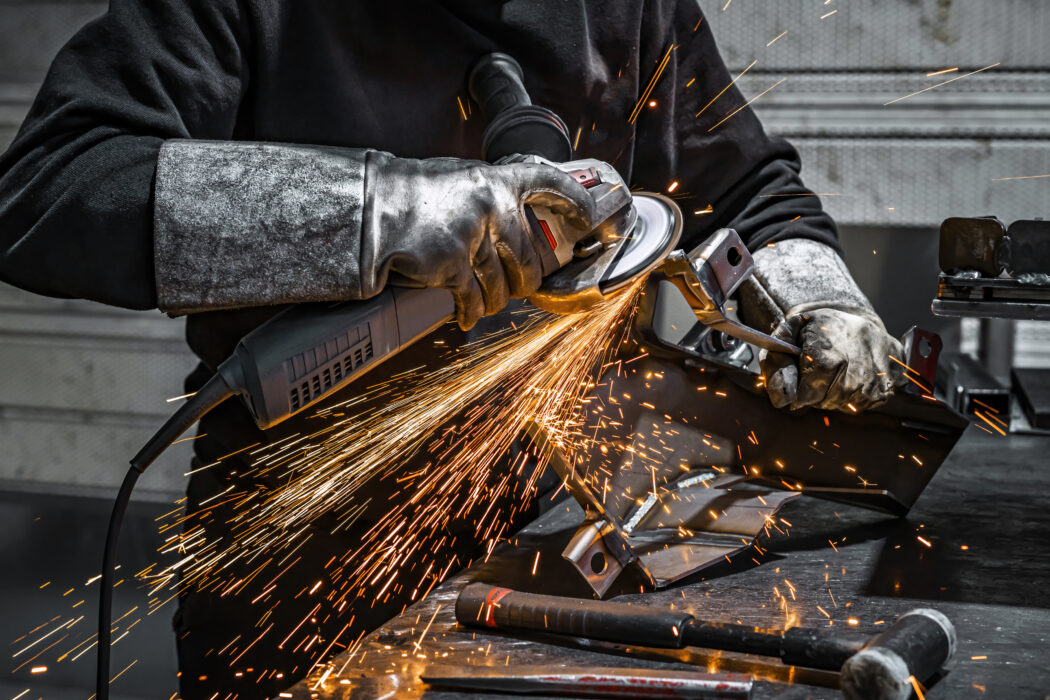
Steel plate thickness also influences fabrication processes such as cutting, bending, welding, and machining. Thicker plates often require specialized equipment and additional processing time.
Considering fabrication capabilities early in the planning stage can help avoid production challenges and delays.
Fabrication Factors
- Welding requirements
- Cutting methods
- Bending capabilities
- Machining processes
- Production efficiency
Follow Industry Standards and Specifications
Many industries have established standards and technical specifications that define acceptable steel plate thicknesses for specific applications.
Compliance with these standards helps ensure product quality, safety, and regulatory approval.
Important Standards
- Construction standards
- Pressure vessel codes
- Marine industry requirements
- Energy sector specifications
- Engineering design guidelines
Balance Performance and Cost
Selecting the right thickness requires balancing structural performance with project budget considerations. While thicker steel plates offer greater strength, they also increase material costs, transportation expenses, and fabrication complexity.
An optimized selection process helps achieve the best value without compromising safety or performance.
Cost Optimization Strategies
- Accurate engineering calculations
- Efficient material utilization
- Proper project planning
- Supplier consultation
- Long term lifecycle analysis
Benefits of Choosing the Correct Thickness
Improved Structural Performance
Proper thickness selection ensures reliable load support and long term stability.
Enhanced Safety
Adequate plate thickness reduces the risk of structural failures and operational hazards.
Reduced Maintenance Costs
Appropriately selected steel plates typically require fewer repairs and replacements.
Better Fabrication Efficiency
Choosing the right thickness improves production workflows and minimizes processing challenges.
Long Service Life
Steel plates designed for specific operating conditions can deliver excellent durability and performance over many years.
Conclusion
Selecting the right steel plate thickness is essential for ensuring project safety, performance, cost effectiveness, and long term reliability. Factors such as load requirements, environmental conditions, fabrication needs, industry standards, and budget considerations should all be carefully evaluated during the selection process.
Working with an experienced steel supplier can simplify decision making and help businesses choose steel plates that meet technical requirements while maximizing project value.
Investing time in proper thickness selection can lead to better structural integrity, lower maintenance costs, and improved project outcomes.
Need Expert Guidance on Choosing the Right Steel Plate?
Namco Industries supplies premium quality steel plates in multiple grades and thicknesses for construction, engineering, manufacturing, and industrial projects across India.