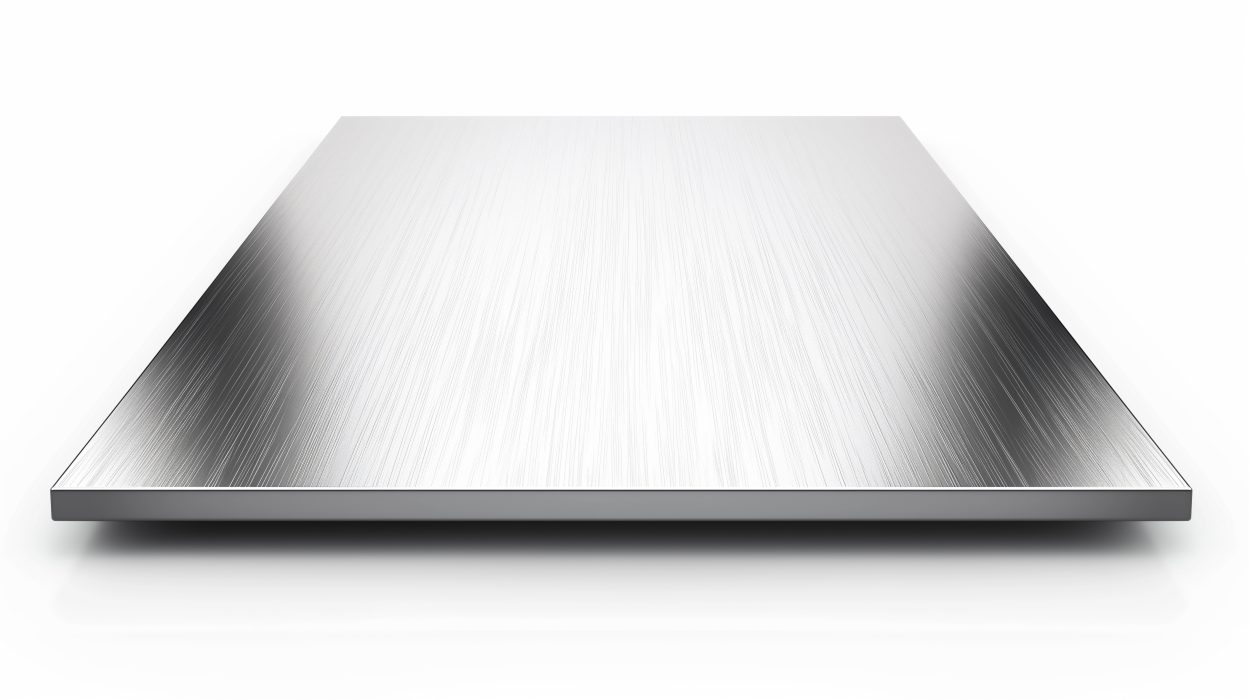
Steel plates have been around for decades, but their importance in today’s rapidly evolving industrial world has never been greater. Whether you are building skyscrapers, fabricating machinery, or setting up heavy-duty equipment, steel plates play a silent yet powerful role behind the scenes. Their strength, versatility, and reliability make them an essential material across countless sectors.
In this blog, we explore how steel plates have become true game-changers for industries and why companies prefer them over many other materials.
1. Built for Strength: The Backbone of Modern Construction
Walk past any construction site, and there’s a high chance steel plates are being used in some form. Their remarkable load-bearing capacity and durability make them perfect for:
-
Building foundations
-
Bridge decks
-
High-rise structures
-
Industrial sheds
-
Reinforcement in critical areas
Steel plates offer consistent strength, allowing engineers to design safer and more stable structures. They can withstand heavy pressure, harsh weather, and seismic activity—something traditional materials often fail to handle.
2. Precision & Reliability in Manufacturing
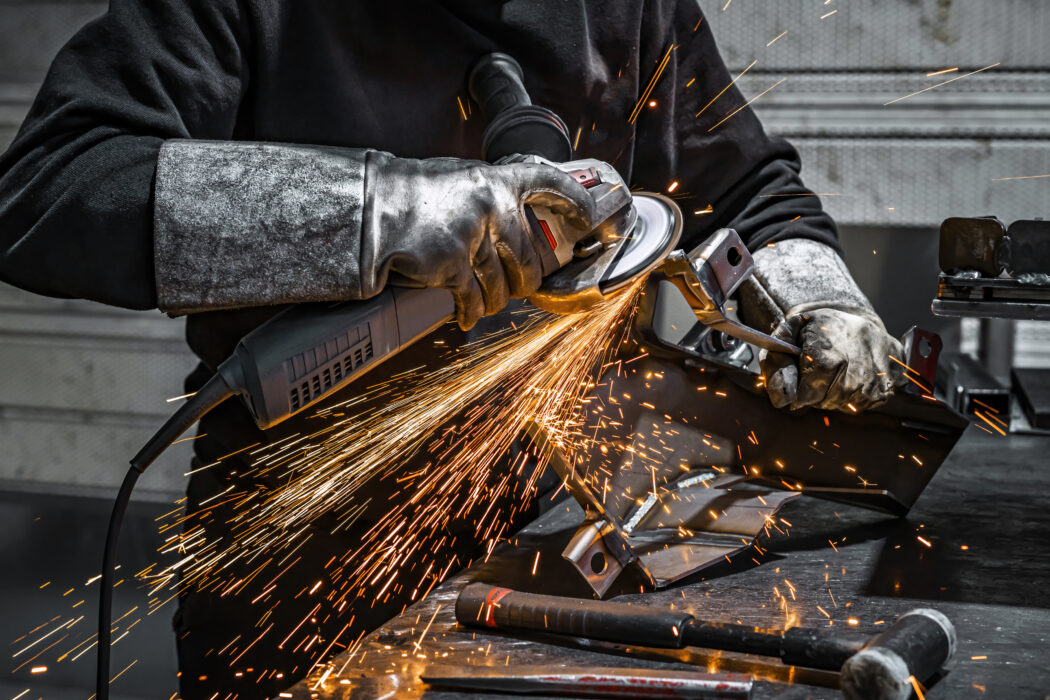
Manufacturing industries rely heavily on steel plates due to their adaptability. Whether it’s cutting, bending, drilling, or welding, steel plates respond beautifully to fabrication processes.
They are commonly used for:
-
Machinery parts
-
Automotive components
-
Shipbuilding
-
Pressure vessels
-
Heavy-duty tools
Manufacturers love steel plates because they offer predictable performance, which reduces defects and increases efficiency.
3. High Resistance to Wear and Tear
In industries where equipment faces extreme abrasion—like mining, earthmoving, or power generation—steel plates hold their ground effortlessly.
Special grades such as alloy and hardened steel plates offer:
-
Superior toughness
-
Long service life
-
High resistance to impact
-
Protection against corrosion and surface damage
This means fewer replacements, less downtime, and lower maintenance costs.
4. Suitable for Harsh and Challenging Environments
Steel plates can survive conditions that would destroy ordinary materials. Whether exposed to high temperatures, moisture, chemicals, or heavy loads, they maintain their structural integrity.
Industries where harsh environments are common include:
-
Oil & Gas
-
Marine
-
Chemical plants
-
Mining
-
Offshore drilling
Using the right steel grade can prevent equipment failure and boost operational safety.
5. Flexibility in Customization
One of the biggest reasons steel plates are game-changers is their high level of customization. You can choose:
-
Thickness
-
Width & length
-
Grade
-
Surface finish
-
Coating
-
Cutting size
This flexibility allows industries to get exactly what they need for their specific applications, saving both time and material costs.
6. Long-Term Cost Efficiency
While initial costs may seem high, steel plates prove incredibly cost-effective in the long run. Their durability, low maintenance needs, and long life cycle reduce overall expenses.
Industries benefit from:
-
Longer equipment lifespan
-
Lower repair costs
-
Fewer breakdowns
-
Improved safety
In many cases, steel plates eliminate the need for frequent replacements, making them a smart investment.
Final Thoughts
From construction sites to manufacturing floors, steel plates have become indispensable for modern industries. Their strength, durability, and versatility make them a preferred choice for engineers, builders, and manufacturers alike.
Whether you choose stainless steel, alloy steel, or mild steel, the right steel plate can enhance performance, reduce costs, and push your projects to new heights.
If your industry depends on reliability and long-lasting materials, then steel plates aren’t just an option—they’re a necessity.