The shipbuilding industry relies on heavy steel plates to construct strong, durable, and reliable vessels capable of operating in some of the world’s most demanding marine environments. From commercial cargo ships and oil tankers to naval vessels and offshore platforms, heavy steel plates form the structural foundation of modern marine engineering.
Heavy steel plates are specifically designed to withstand high mechanical loads, constant exposure to seawater, dynamic wave forces, and harsh weather conditions. Their exceptional strength, weldability, and long service life make them an essential material for shipbuilders and marine engineers worldwide.
As global trade and offshore energy projects continue to expand, the demand for high quality heavy steel plates remains critical to the future of the shipbuilding industry.
Index
What Are Heavy Steel Plates?
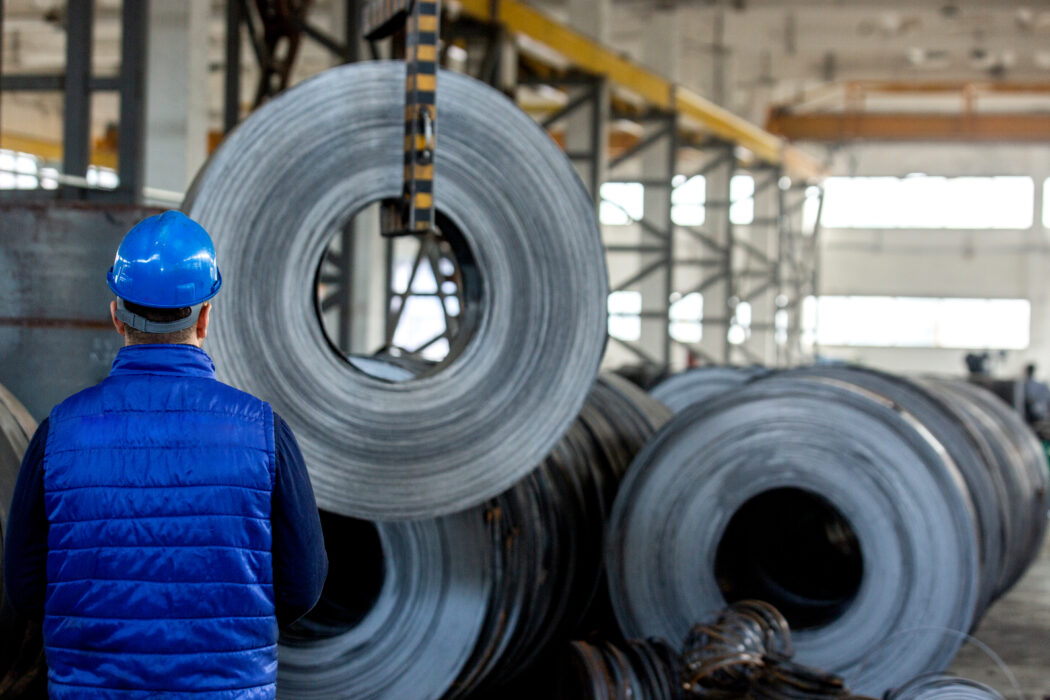
Heavy steel plates are thick steel products manufactured to provide exceptional structural strength and durability. They are available in various grades, widths, and thicknesses depending on the requirements of marine, industrial, and engineering applications.
In shipbuilding, heavy steel plates are used to construct critical structural components that must withstand continuous stress and environmental exposure throughout the vessel’s operational life.
Key Characteristics
- High tensile strength
- Excellent weldability
- Superior impact resistance
- Long service life
- Reliable structural stability
Importance of Heavy Steel Plates in Shipbuilding
Ships operate under constant mechanical stress caused by waves, cargo loads, vibration, and changing weather conditions. Heavy steel plates provide the structural integrity needed to ensure safety, operational efficiency, and long term durability.
Marine engineers select high quality steel plates to improve vessel performance while complying with international shipbuilding standards.
Why Heavy Steel Plates Matter
- Support heavy cargo loads
- Improve vessel stability
- Increase operational safety
- Enhance structural durability
- Reduce maintenance requirements
Major Industrial Applications
Ship Hull Construction
Heavy steel plates form the primary structure of ship hulls, providing strength to withstand ocean conditions while protecting cargo and onboard systems.
Cargo Ships
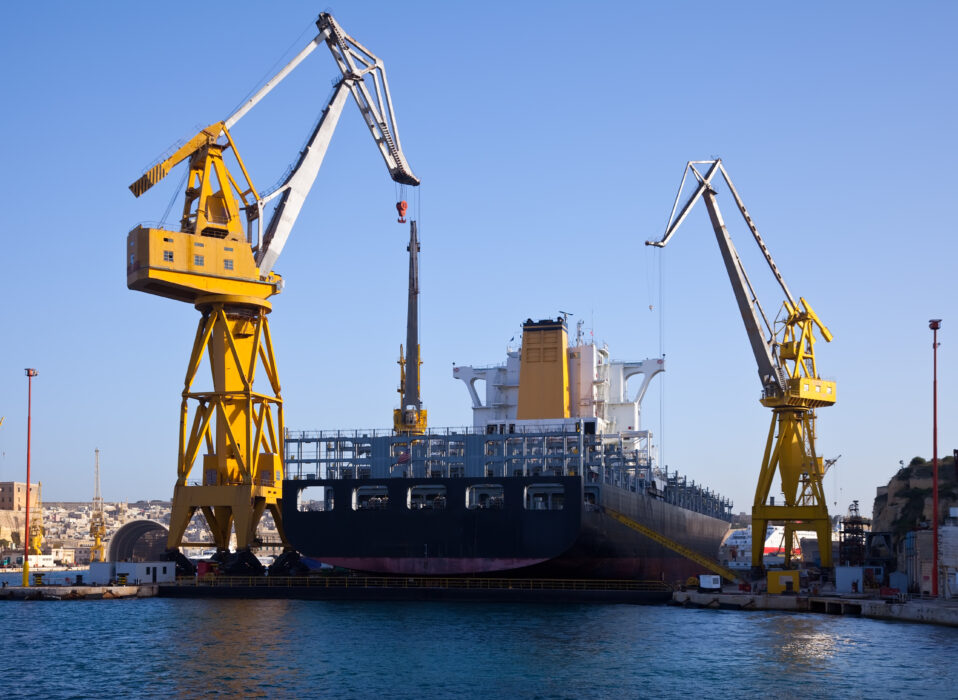
Bulk carriers, container ships, and general cargo vessels use heavy steel plates throughout their structural framework to safely transport goods across international shipping routes.
Oil Tankers
Marine grade steel plates are widely used in crude oil and chemical tankers because of their strength and durability under demanding operating conditions.
Naval Vessels
Defense ships require heavy steel plates capable of supporting advanced equipment while maintaining structural integrity during extended operations.
Offshore Platforms
Offshore oil and gas platforms depend on heavy steel plates for support structures, production facilities, and marine installations exposed to challenging environments.
Marine Equipment
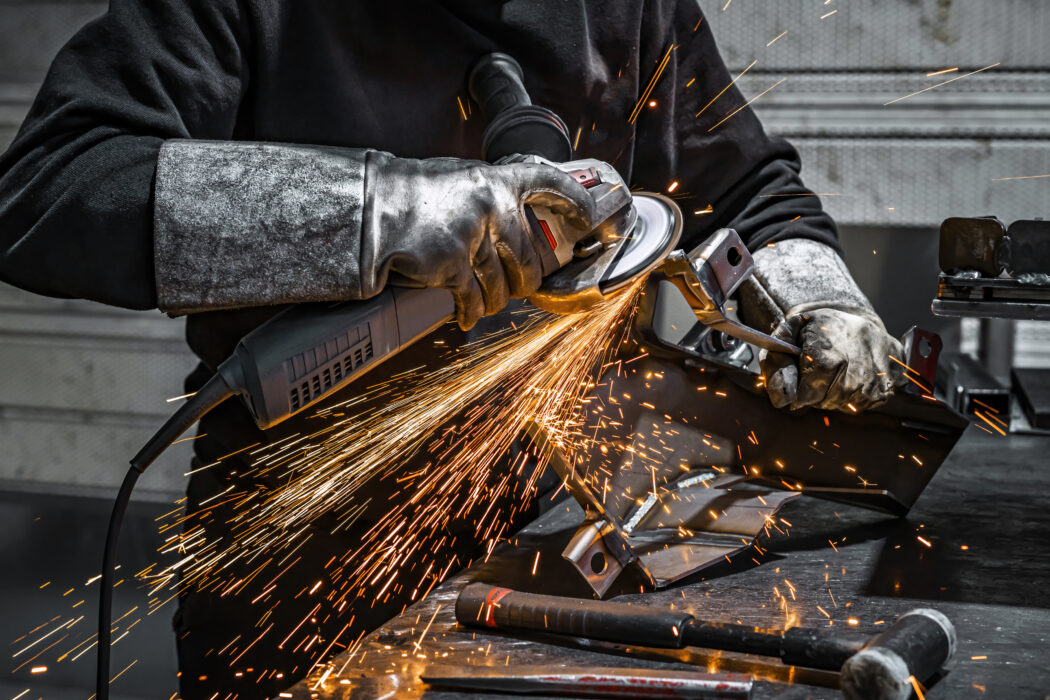
Heavy steel plates are also used to manufacture marine cranes, loading systems, docking facilities, and port infrastructure.
Key Properties Required for Marine Steel Plates
High Strength
Marine structures require steel capable of handling continuous loads without deformation.
Excellent Toughness
Steel plates must resist impact caused by waves, cargo movement, and operational stresses.
Good Weldability
Shipbuilding involves extensive welding, making weldability an essential property.
Corrosion Resistance
Marine environments expose steel to moisture and saltwater, making corrosion resistance important for long term performance.
Fatigue Resistance
Repeated loading and vibration require steel plates capable of maintaining structural performance over many years.
Benefits of Heavy Steel Plates
- Exceptional structural strength
- Reliable long term durability
- Excellent fabrication characteristics
- High load carrying capacity
- Improved operational safety
- Reduced maintenance costs
- Suitable for demanding marine environments
- Long service life
Factors to Consider When Selecting Marine Steel Plates
Choosing the right heavy steel plate depends on vessel design, operating conditions, environmental exposure, classification requirements, and fabrication needs.
Selection Factors
- Steel grade
- Plate thickness
- Mechanical strength
- Corrosion resistance
- Welding performance
- Marine certification requirements
Future of Heavy Steel Plates in Shipbuilding
The shipbuilding industry continues evolving with increasing demand for larger vessels, offshore renewable energy projects, and environmentally efficient marine transportation.
Manufacturers are developing advanced high strength steel plates that reduce vessel weight while maintaining excellent structural performance and fuel efficiency.
Future Industry Trends
- Advanced high strength steel grades
- Growth in offshore wind energy projects
- Expansion of global shipping fleets
- Sustainable shipbuilding practices
- Digital manufacturing technologies
Conclusion
Heavy steel plates are the backbone of modern shipbuilding, providing the strength, durability, and reliability required for commercial ships, naval vessels, offshore platforms, and marine infrastructure. Their superior mechanical properties enable safe operations under demanding ocean conditions while supporting efficient vessel performance.
As the global maritime industry continues expanding, high quality heavy steel plates will remain essential for building stronger, safer, and more efficient ships capable of meeting future transportation and energy requirements.
Looking for Premium Quality Heavy Steel Plates for Marine and Industrial Projects?
Namco Industries supplies high quality heavy steel plates for shipbuilding, offshore structures, engineering, infrastructure, and heavy industrial applications across India.