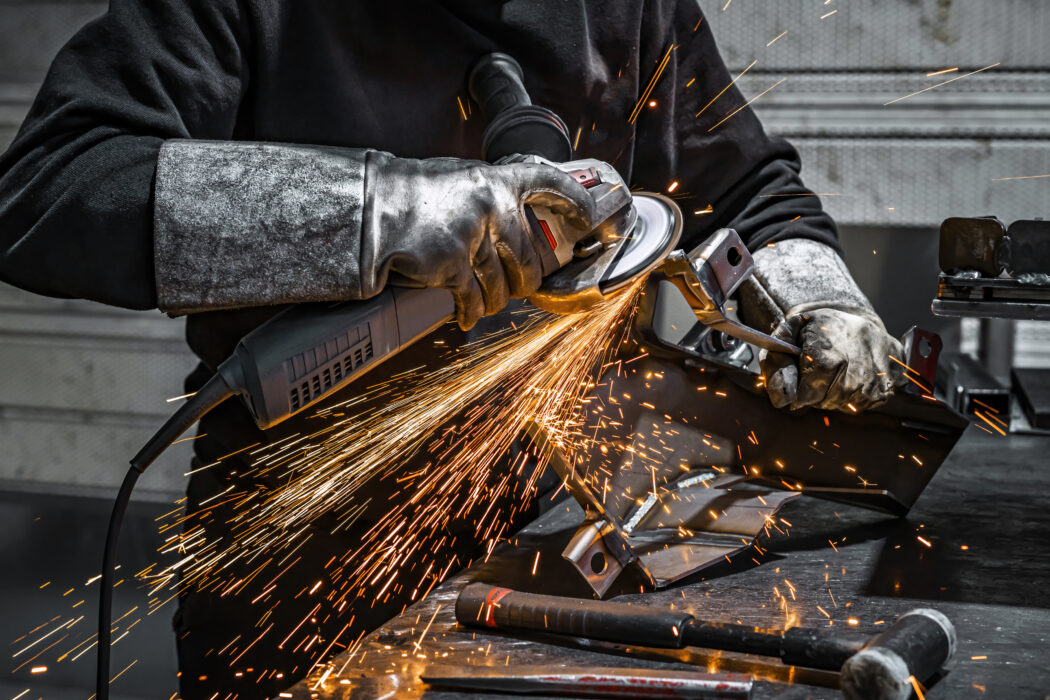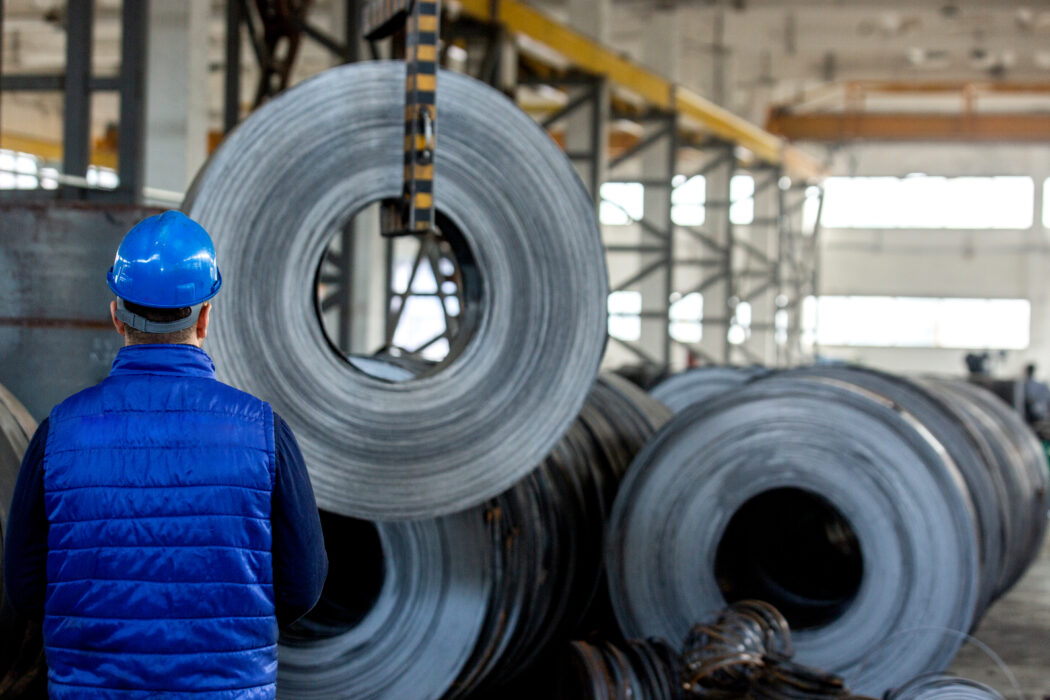
Alloy steel plates are among the most versatile and high performance materials used across modern industries. Designed to offer superior strength, durability, wear resistance, and heat resistance, these steel plates are widely used in construction, manufacturing, engineering, oil and gas, power generation, and heavy industrial applications.
Unlike standard carbon steel, alloy steel contains additional elements such as chromium, nickel, molybdenum, manganese, and vanadium. These elements improve the mechanical and chemical properties of steel, making it suitable for demanding operating conditions.
As industries continue to seek stronger and longer lasting materials, alloy steel plates have become an essential component in critical infrastructure and industrial projects worldwide.
Index
What Are Alloy Steel Plates?
Alloy steel plates are steel products manufactured by combining iron and carbon with additional alloying elements. These elements are added to enhance specific properties such as strength, corrosion resistance, hardness, toughness, and heat resistance.
Depending on the intended application, manufacturers can adjust the alloy composition to create steel plates capable of performing in challenging industrial environments.
Common Alloying Elements
- Chromium
- Nickel
- Molybdenum
- Manganese
- Vanadium
- Silicon
Key Properties of Alloy Steel Plates
The addition of alloying elements significantly improves the performance characteristics of steel plates.
High Strength
Alloy steel plates provide excellent tensile strength, making them suitable for heavy load bearing applications.
Superior Toughness
These plates maintain structural integrity even under impact and mechanical stress.
Excellent Wear Resistance
Alloy steel performs well in abrasive environments where regular steel may wear out quickly.
Heat Resistance
Many alloy steel grades can withstand elevated temperatures without losing performance.
Corrosion Resistance
Certain alloy compositions offer enhanced protection against moisture, chemicals, and environmental exposure.
Common Types of Alloy Steel Plates
Low Alloy Steel Plates
These plates contain a relatively small percentage of alloying elements and are commonly used in structural and engineering applications.
High Alloy Steel Plates
High alloy steel plates contain larger amounts of alloying elements and provide superior performance in demanding environments.
Heat Resistant Alloy Steel Plates
Designed for high temperature applications such as power plants and industrial furnaces.
Wear Resistant Alloy Steel Plates
Used in mining, material handling, and heavy machinery where abrasion resistance is essential.
Benefits of Alloy Steel Plates
- Excellent mechanical strength
- Long service life
- Improved corrosion resistance
- Better wear resistance
- Enhanced heat resistance
- Reduced maintenance requirements
- Reliable performance in harsh conditions
- Suitable for critical industrial applications
Industrial Applications of Alloy Steel Plates
Construction Industry
Alloy steel plates are widely used in bridges, industrial buildings, infrastructure projects, and structural frameworks because of their strength and durability.
Oil and Gas Industry
Pipelines, storage tanks, pressure vessels, and drilling equipment often rely on alloy steel plates for reliable performance under extreme conditions.
Power Generation
Power plants use alloy steel plates in boilers, heat exchangers, turbines, and other high temperature systems.
Heavy Engineering
Industrial machinery, manufacturing equipment, and fabrication projects require high strength alloy steel materials.
Mining Industry
Wear resistant alloy steel plates are commonly used in mining equipment, crushers, and material handling systems.
Shipbuilding Industry
Marine structures and ship components use alloy steel plates because of their durability and resistance to harsh environments.
How to Choose the Right Alloy Steel Plate
Selecting the correct alloy steel plate depends on the application, environmental conditions, load requirements, and operating temperatures.
Important Factors to Consider
- Required strength level
- Corrosion exposure
- Operating temperature
- Wear and abrasion conditions
- Fabrication requirements
- Industry specifications
Working with an experienced steel supplier helps ensure the right material is selected for the project.
Future Demand for Alloy Steel Plates
The demand for alloy steel plates continues to grow because of expanding infrastructure projects, industrial modernization, renewable energy investments, and increasing manufacturing activity.
Industries are seeking materials that provide greater durability, efficiency, and long term performance, making alloy steel plates a preferred choice for future projects.
Growth Drivers
- Infrastructure expansion
- Industrial automation
- Renewable energy development
- Growth in manufacturing sectors
- Rising demand for high performance materials
Conclusion
Alloy steel plates play a vital role in modern industry by offering exceptional strength, durability, wear resistance, and heat resistance. Their ability to perform reliably in challenging environments makes them essential for construction, engineering, power generation, mining, oil and gas, and manufacturing applications.
As industries continue to evolve and demand higher performance materials, alloy steel plates will remain a critical component in supporting infrastructure development and industrial growth. Choosing the right alloy steel plate can significantly improve project performance, safety, and long term value.
Need High Quality Alloy Steel Plates for Your Industrial Projects?
Namco Industries supplies premium alloy steel plates designed for construction, engineering, manufacturing, power generation, and industrial applications across India.