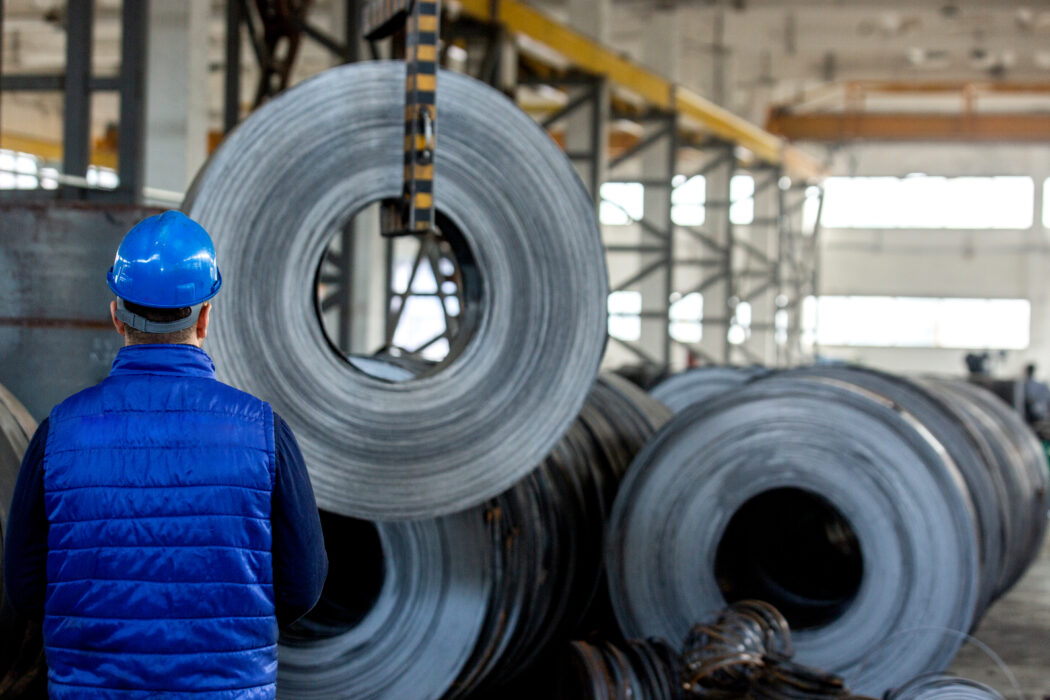
Steel and alloy steel are widely used materials in construction, manufacturing, automotive, engineering, and industrial applications. Both materials offer strength and durability, but they differ in composition, performance, and intended use.
Many industries prefer alloy steel because of its enhanced mechanical properties, while standard steel remains popular for general purpose applications because of its affordability and versatility.
Understanding the difference between steel and alloy steel helps businesses and manufacturers select the right material for their projects.
Index
What Is Steel?
Steel is an alloy primarily made from iron and carbon. It is one of the most commonly used materials in the world because of its strength, affordability, and versatility.
Standard steel is widely used in construction, tools, machinery, pipelines, and infrastructure projects.
Key Features of Steel
- Strong and durable material
- Cost effective for general applications
- Easy to manufacture and fabricate
- Suitable for construction and engineering
- Available in different grades and forms
What Is Alloy Steel?
Alloy steel is steel that contains additional alloying elements such as chromium, nickel, manganese, molybdenum, and vanadium. These elements improve the steel’s strength, toughness, heat resistance, and corrosion resistance.
Alloy steel is designed for demanding industrial environments where high performance materials are required.
Key Features of Alloy Steel
- Higher strength compared to standard steel
- Improved corrosion resistance
- Excellent wear resistance
- Better heat resistance
- Long lasting performance
Difference Between Steel and Alloy Steel
| Feature | Steel | Alloy Steel |
|---|---|---|
| Composition | Iron and carbon | Iron, carbon, and alloying elements |
| Strength | Good strength | Higher strength and toughness |
| Corrosion Resistance | Moderate resistance | Better corrosion resistance |
| Heat Resistance | Limited heat resistance | Excellent heat resistance |
| Durability | Good durability | Superior durability |
| Cost | More affordable | Generally higher cost |
| Applications | General construction and manufacturing | Heavy industrial and engineering applications |
Benefits of Steel
- Affordable material
- Easy fabrication and welding
- Widely available
- Suitable for general construction
- Strong structural performance
Benefits of Alloy Steel
- High mechanical strength
- Excellent wear resistance
- Improved corrosion resistance
- Long service life
- Suitable for high pressure and high temperature applications
Uses and Applications
Applications of Steel
- Buildings and bridges
- Construction structures
- Pipelines
- General machinery
- Automotive frames
Applications of Alloy Steel
- Industrial machinery
- Power plants
- Oil and gas equipment
- Pressure vessels
- Aerospace and automotive components
Which Is Better?
The answer depends on the application and operating environment. Standard steel is better for cost effective and general purpose applications. Alloy steel is better for industries that require higher strength, better durability, corrosion resistance, and long term performance.
If the project involves heavy loads, extreme temperatures, or harsh conditions, alloy steel is usually the better choice because of its enhanced properties.
Conclusion
Both steel and alloy steel are important materials used across industries. Standard steel offers affordability and versatility for everyday applications, while alloy steel provides improved strength, toughness, wear resistance, and corrosion resistance for demanding industrial environments.
Choosing the right material depends on your budget, performance requirements, and intended application. For heavy duty industrial use and long term durability, alloy steel is often considered the superior option.
Looking for High Quality Steel and Alloy Steel Products?
Namco Industries provides premium quality steel and alloy steel solutions for construction, engineering, manufacturing, and industrial applications.