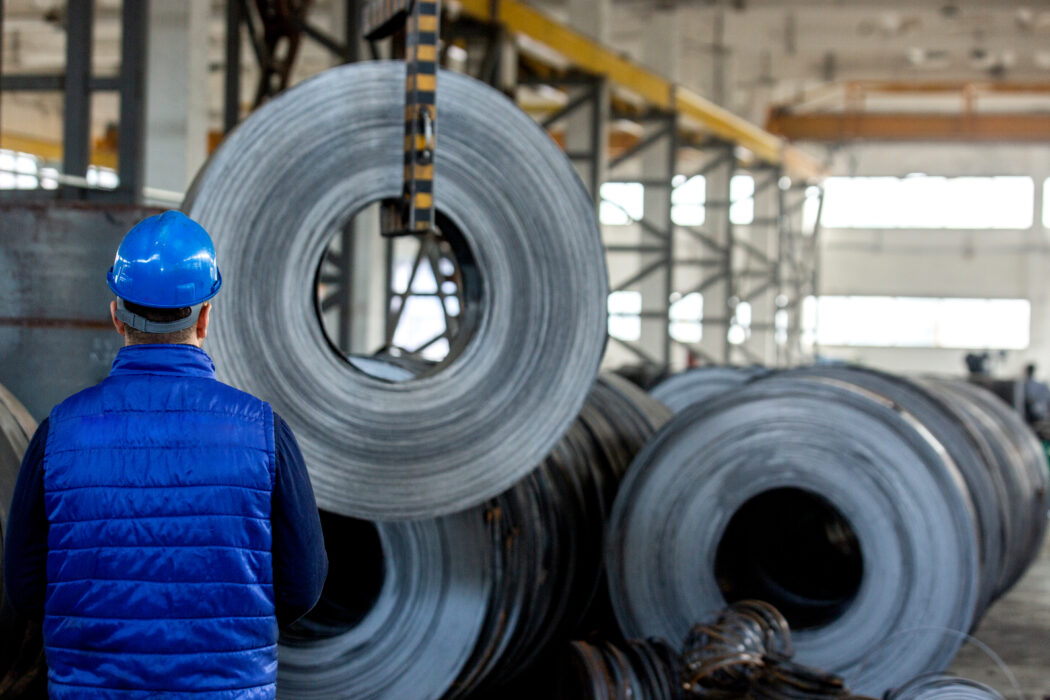
Alloy steel is considered one of the most reliable and high performance materials used across industries such as construction, automotive, engineering, manufacturing, oil and gas, and heavy machinery. It is known for its excellent strength, durability, wear resistance, and long service life.
Compared to ordinary carbon steel, alloy steel offers improved mechanical properties because it contains additional alloying elements such as chromium, nickel, molybdenum, manganese, and vanadium.
These added elements help improve hardness, corrosion resistance, toughness, and heat resistance, making alloy steel a preferred material for demanding industrial applications.
Index
What Is Alloy Steel?
Alloy steel is steel that contains additional alloying elements besides iron and carbon. These alloying elements are added to improve the overall performance and mechanical properties of the steel.
Common alloying elements include chromium, nickel, molybdenum, manganese, vanadium, and silicon.
Depending on the alloy composition, alloy steel can provide higher strength, improved durability, better corrosion resistance, and excellent performance under high pressure and temperature conditions.
Why Alloy Steel Is Considered Good Quality
High Strength
Alloy steel offers excellent tensile and impact strength, making it suitable for heavy duty industrial applications and structural projects.
Excellent Durability
The material is designed to handle harsh working environments and continuous mechanical stress without losing performance.
Wear Resistance
Alloy steel has strong wear resistant properties, which help reduce damage caused by friction and heavy use.
Heat Resistance
Many types of alloy steel perform well in high temperature environments, making them ideal for industrial machinery and power plants.
Corrosion Resistance
Some alloy steels contain chromium and other elements that improve resistance against rust and chemical exposure.
Benefits of Alloy Steel
- High mechanical strength
- Long lasting performance
- Excellent toughness
- Good corrosion resistance
- Improved heat resistance
- Strong wear resistance
- Suitable for demanding industrial applications
- Reliable material for heavy machinery
Uses and Applications of Alloy Steel
Construction Industry
Used in bridges, buildings, structural supports, and reinforcement systems.
Automotive Industry
Applied in gears, axles, crankshafts, engine parts, and suspension systems.
Oil and Gas Industry
Used for pipelines, drilling equipment, and pressure vessels.
Manufacturing Industry
Used in industrial machinery, tools, molds, and heavy equipment.
Power Plants
Applied in boilers, turbines, and heat exchangers because of excellent heat resistance.
Aerospace Industry
Used in aircraft components and engineering applications requiring high strength materials.
Factors That Affect Alloy Steel Quality
Type of Alloying Elements
The quality and performance of alloy steel depend on the type and percentage of alloying elements used during manufacturing.
Manufacturing Process
Proper heat treatment and advanced production methods improve the overall quality and durability of alloy steel.
Application Requirements
Different industries require different grades of alloy steel based on strength, corrosion resistance, and operating conditions.
Maintenance
Regular maintenance and proper usage can improve the service life and performance of alloy steel products.
Conclusion
Yes, alloy steel is considered a high quality material because of its excellent strength, durability, wear resistance, and long lasting performance. It is widely used in industries that require reliable and high performance materials for demanding applications.
The quality of alloy steel depends on the alloy composition, manufacturing process, and intended application. With proper selection and maintenance, alloy steel provides outstanding performance and value across industrial and commercial sectors.
Looking for Premium Quality Alloy Steel Products?
Namco Industries offers high quality alloy steel solutions for construction, manufacturing, engineering, and industrial applications.