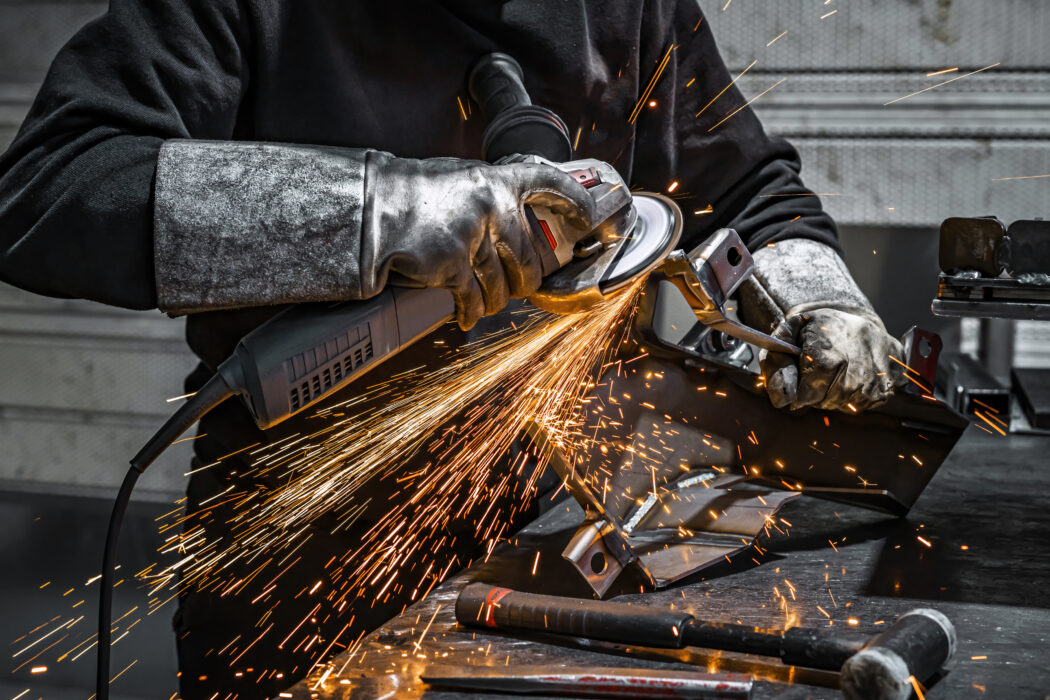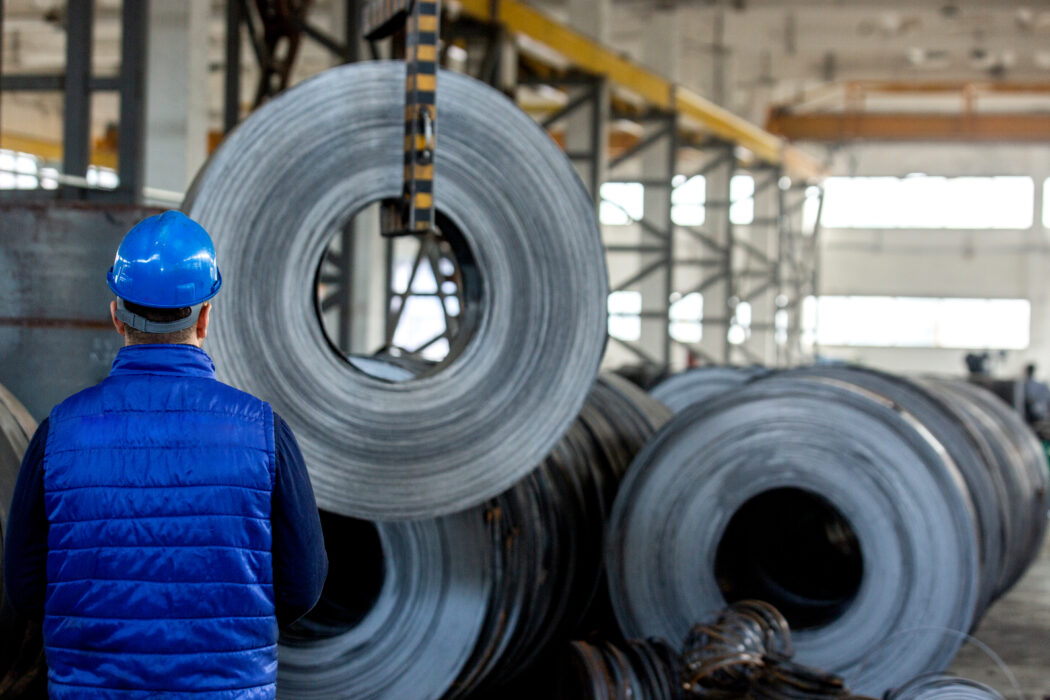
Steel is one of the most important materials used in construction, manufacturing, automotive, aerospace, and industrial applications. Among the various types of steel, alloy steel and stainless steel are two of the most commonly used materials.
Although both offer excellent strength and durability, they differ in composition, corrosion resistance, cost, and applications. Understanding these differences helps industries choose the right material for specific projects and environments.
Index
What Is Alloy Steel?
Alloy steel is steel that contains additional alloying elements such as chromium, nickel, manganese, molybdenum, vanadium, and silicon. These elements improve the mechanical properties of the steel including strength, toughness, wear resistance, and heat resistance.
Alloy steel is widely used in heavy industrial applications where high strength and durability are required.
Key Features of Alloy Steel
- High tensile strength
- Excellent durability
- Good heat resistance
- Strong wear resistance
- Suitable for heavy duty applications
What Is Stainless Steel?
Stainless steel is a type of steel that contains a minimum of 10.5 percent chromium. This chromium content creates a protective layer on the surface that helps resist corrosion and rust.
Stainless steel is commonly used in industries where hygiene, appearance, and corrosion resistance are important.
Key Features of Stainless Steel
- Excellent corrosion resistance
- Attractive surface finish
- Low maintenance
- High durability
- Easy cleaning properties
Difference Between Alloy Steel and Stainless Steel
| Feature | Alloy Steel | Stainless Steel |
|---|---|---|
| Composition | Contains multiple alloying elements | Contains minimum 10.5 percent chromium |
| Corrosion Resistance | Moderate corrosion resistance | Excellent corrosion resistance |
| Strength | Very high strength | Good strength with corrosion protection |
| Appearance | Industrial finish | Shiny and attractive finish |
| Cost | Generally lower cost | Usually more expensive |
| Maintenance | Requires maintenance in harsh environments | Low maintenance material |
| Applications | Heavy machinery and engineering | Food, medical, and decorative industries |
Benefits of Alloy Steel
- Excellent mechanical strength
- High wear resistance
- Good toughness
- Suitable for high pressure environments
- Cost effective for industrial use
Benefits of Stainless Steel
- Superior corrosion resistance
- Excellent appearance
- Long lasting performance
- Easy to clean and maintain
- Suitable for hygienic applications
Uses and Applications
Applications of Alloy Steel
- Construction equipment
- Pressure vessels
- Industrial machinery
- Automotive components
- Oil and gas pipelines
Applications of Stainless Steel
- Kitchen equipment
- Medical instruments
- Food processing plants
- Pharmaceutical industries
- Architectural structures
Conclusion
Both alloy steel and stainless steel provide excellent performance and durability, but they are designed for different purposes. Alloy steel is ideal for heavy duty industrial applications that require strength and toughness. Stainless steel is preferred for environments where corrosion resistance, hygiene, and appearance are important.
Choosing the right material depends on your project requirements, operating conditions, budget, and long term performance expectations.
Looking for High Quality Alloy Steel and Stainless Steel Products?
Namco Industries provides premium quality alloy steel and stainless steel solutions for construction, engineering, manufacturing, and industrial applications.