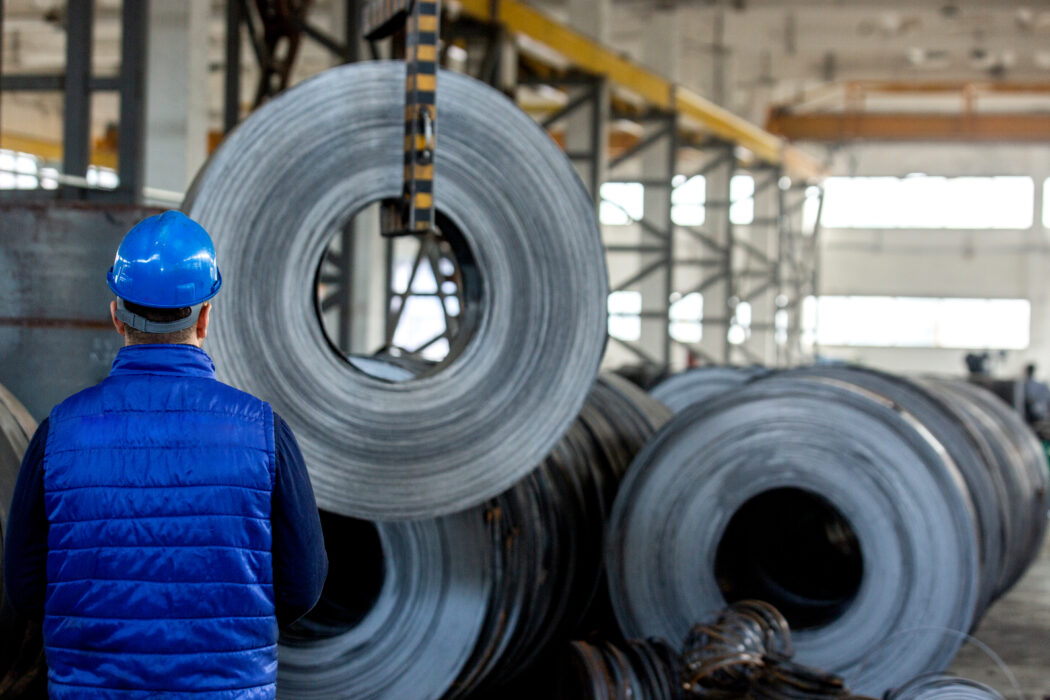
Alloy steel is one of the most widely used materials in industries such as construction, automotive, manufacturing, oil and gas, and engineering. It is created by adding different alloying elements like chromium, nickel, molybdenum, vanadium, and manganese to carbon steel.
Index
What Is Alloy Steel?
Alloy steel is steel that contains additional alloying elements besides carbon and iron. These elements are added in different proportions to improve strength, wear resistance, heat resistance, and corrosion resistance.
Common alloying elements include chromium, nickel, molybdenum, manganese, vanadium, and silicon.
1. Low Alloy Steel
Low alloy steel contains a small percentage of alloying elements, usually less than 5 percent.
Key Points
- Excellent strength to weight ratio
- Good weldability
- Improved toughness
- Better corrosion resistance
Benefits
- Cost effective
- High durability
- Easy fabrication
- Long service life
Uses and Applications
- Construction structures
- Bridges
- Pipelines
- Pressure vessels
- Automotive components
2. High Alloy Steel
High alloy steel contains a higher percentage of alloying elements and is suitable for demanding industrial environments.
Key Points
- High hardness
- Excellent heat resistance
- Strong corrosion resistance
- Long lasting performance
Benefits
- Suitable for harsh environments
- Reduced maintenance
- Excellent wear resistance
- Superior durability
Uses and Applications
- Power plants
- Chemical industries
- Industrial machinery
- Aerospace components
- Heat exchangers
3. Stainless Alloy Steel
Stainless alloy steel contains chromium and provides excellent corrosion resistance.
Key Points
- Rust resistant
- Hygienic surface
- Attractive finish
- High durability
Benefits
- Low maintenance
- Long lasting material
- Excellent appearance
- Suitable for food and medical industries
Uses and Applications
- Kitchen equipment
- Medical instruments
- Food processing plants
- Pharmaceutical industries
- Architectural structures
4. Tool Alloy Steel
Tool alloy steel is specially designed for manufacturing cutting tools, molds, and industrial equipment.
Key Points
- High hardness
- Excellent wear resistance
- Heat resistant properties
- Strong cutting performance
Benefits
- Long tool life
- High efficiency
- Precision performance
- Resistant to deformation
Uses and Applications
- Cutting tools
- Dies and molds
- Drill bits
- Industrial machinery tools
- Manufacturing equipment
Key Benefits of Alloy Steel
- High strength
- Excellent corrosion resistance
- Better heat resistance
- Improved durability
- Enhanced mechanical properties
Uses and Applications of Alloy Steel
Construction Industry
Used in bridges, buildings, and structural supports.
Automotive Industry
Applied in gears, axles, and engine components.
Oil and Gas Industry
Used for pipelines and drilling equipment.
Aerospace Industry
Manufactured into aircraft components.
Manufacturing Industry
Used in heavy machinery and industrial tools.
Power Generation
Applied in boilers, turbines, and heat exchangers.
Conclusion
The four major types of alloy steel include Low Alloy Steel, High Alloy Steel, Stainless Alloy Steel, and Tool Alloy Steel. Each type provides unique benefits for industrial applications.
Because of their strength, durability, and corrosion resistance, alloy steels continue to play an important role in modern engineering and manufacturing industries.