Selecting the right thickness for Stainless Steel Plates is one of the most important decisions in industrial projects. Thickness directly affects load capacity durability and overall safety. Choosing plates that are too thin can lead to structural failure while selecting overly thick plates can increase costs unnecessarily. Understanding how to determine the optimal thickness helps achieve the right balance between performance and cost efficiency.
Index Stainless Steel Plates thickness selection guide
- Why Stainless Steel Plates thickness matters
- Key factors that affect thickness selection
- Thickness requirements by application
- Stainless Steel Plates thickness table
- Buyer tips for optimal selection
Why Stainless Steel Plates thickness matters in industrial use
Thickness plays a critical role in how Stainless Steel Plates perform under load pressure and environmental conditions. Thicker plates offer higher strength and resistance to deformation while thinner plates are suitable for lightweight applications. Selecting the correct thickness ensures structural stability and long service life.
Engineering standards referenced by the World Steel Association emphasize that proper thickness selection improves safety and reduces long term maintenance costs in industrial projects.
Key factors that affect thickness selection
Load requirements are the primary factor when choosing thickness. Higher loads require thicker plates for stability. Environmental conditions such as moisture chemicals and temperature also influence thickness selection. Corrosive environments may require thicker plates to maintain durability over time. Fabrication requirements including welding and forming also affect the choice of thickness.
Thickness requirements by application
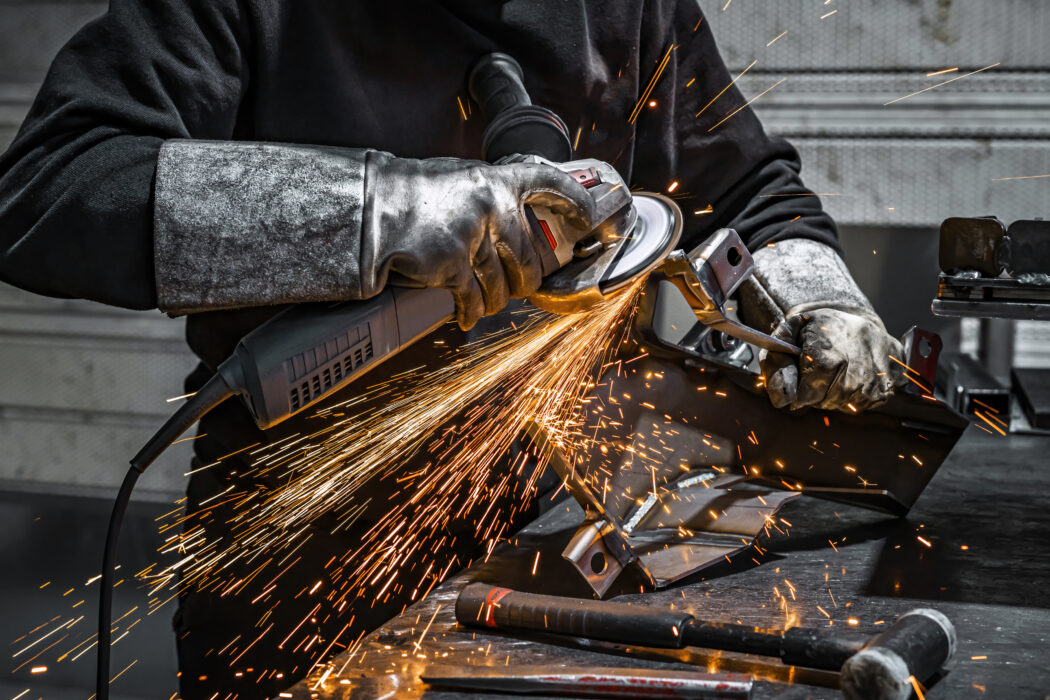
Different industrial applications require different thickness levels. Light fabrication and panels use thinner plates while structural components and platforms require medium thickness. Heavy industrial applications such as pressure vessels and machinery bases require thick plates for strength and safety.
Stainless Steel Plates thickness table
| Application type | Typical thickness level | Main requirement |
|---|---|---|
| Light fabrication | Thin plates | Easy forming |
| Structural use | Medium thickness | Load support |
| Heavy industry | Thick plates | High strength |
| Pressure equipment | Extra thick plates | Safety under pressure |
Buyer tips for optimal selection
Buyers should evaluate load conditions environmental exposure and project requirements before selecting Stainless Steel Plates thickness. Consulting with experienced suppliers and engineers helps in choosing the right specification. Proper thickness selection improves safety reduces cost and ensures long term performance.
For expert guidance and certified Stainless Steel Plates supply please Contact Us to get the right thickness for your industrial project.