
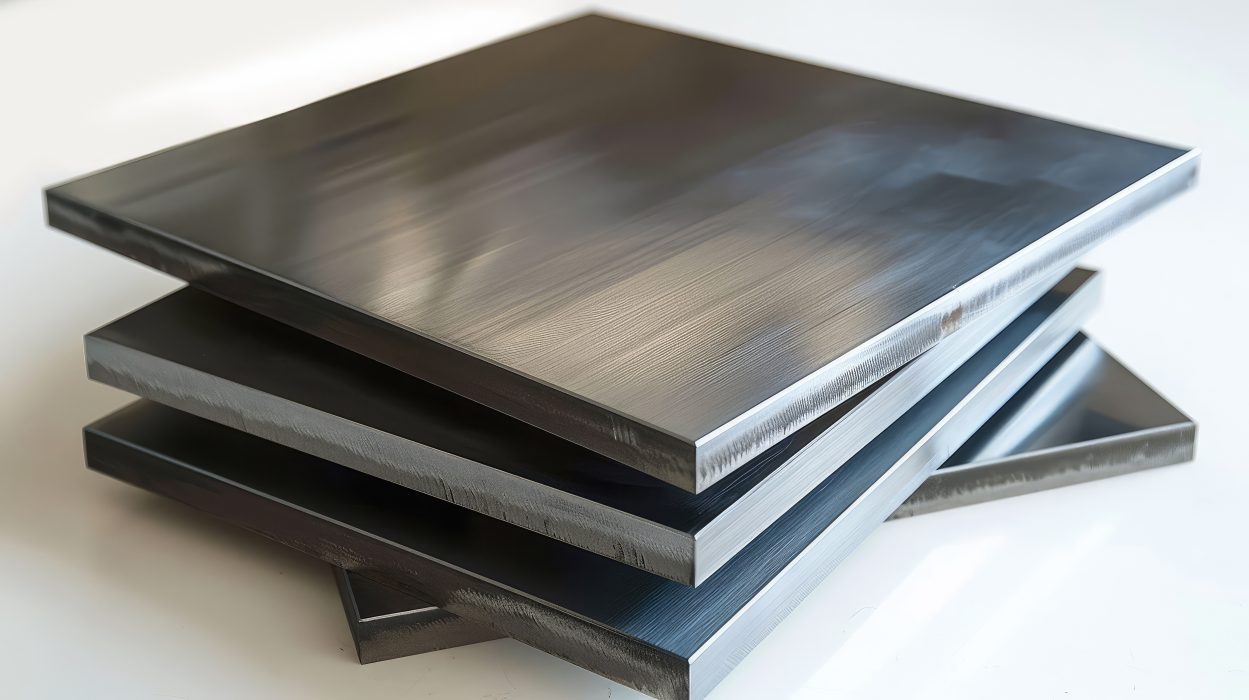
Mild Steel Plates Every strong structure — from skyscrapers and bridges to ships and refineries — has one thing in common: steel plates. They are the unsung heroes behind modern industry, providing the strength, durability, and reliability that hold everything together.
But here’s the real question: what kind of steel plate powers your project — stainless, alloy, or mild steel?
Each type has its unique composition, benefits, and ideal applications. In this blog, we’ll uncover the secret behind industrial strength and help you choose the right steel plate for your business needs.
1. Mild Steel Plates – The Foundation of Industrial Versatility
The Basics
Mild steel plates (MS plates) are made with low carbon content (typically below 0.25%), making them ductile, weldable, and cost-effective.
They’re easy to cut, bend, and fabricate — which is why industries love them for general-purpose applications.
Key Advantages
-
Highly affordable and readily available
-
Excellent weldability and formability
-
Ideal for construction and structural applications
-
Can be galvanized or painted for added corrosion resistance
Common Applications
-
Building frameworks and bridges
-
Machinery and automotive parts
-
Storage tanks and pressure vessels
-
Fabrication and heavy equipment
Why It Matters:
Mild steel plates are the go-to material for industries that value flexibility and economy without compromising structural integrity.
2. Alloy Steel Plates – Strength Under Pressure
The Basics
Alloy steel plates are created by adding elements like chromium, nickel, molybdenum, and manganese. These alloys significantly enhance strength, toughness, and heat resistance.
This makes them the preferred choice for high-stress, high-performance environments.
Key Advantages
-
Superior tensile strength for heavy-duty use
-
High heat and pressure resistance
-
Enhanced hardness and wear resistance
-
Excellent performance under dynamic loads
Common Applications
-
Oil & gas industry (pipelines, rigs, and pressure vessels)
-
Power plants and refineries
-
Heavy machinery and mining equipment
-
Automotive and aerospace components
Why It Matters:
Alloy steel plates are the workhorses of heavy industry, built to perform where standard steel can’t. They ensure long-term durability and reliability in demanding environments.
3. Stainless Steel Plates – The Corrosion-Resistant Champion
The Basics
Stainless steel plates are known for their corrosion resistance, strength, and clean finish. Containing at least 10.5% chromium, they form a self-healing protective layer that prevents rust and oxidation — even in harsh or humid environments.
Key Advantages
-
Exceptional corrosion and oxidation resistance
-
Aesthetic finish and low maintenance
-
High strength-to-weight ratio
-
Hygienic and easy to clean
Common Applications
-
Chemical and pharmaceutical processing plants
-
Food and beverage industry
-
Marine and offshore structures
-
Architectural and decorative projects
Why It Matters:
When appearance, cleanliness, and longevity are key, stainless steel plates deliver unmatched performance and polish.
Comparing the Three: Which One’s Right for You?
| Feature | Mild Steel Plate | Alloy Steel Plate | Stainless Steel Plate |
|---|---|---|---|
| Strength | Moderate | Very High | High |
| Corrosion Resistance | Low (needs coating) | Moderate to High | Excellent |
| Weldability | Excellent | Good | Moderate |
| Cost | Low | Moderate | High |
| Best Used For | Construction & fabrication | Heavy machinery & high-pressure systems | Chemical, marine & food industries |
Pro Tip:
Your choice depends on where and how you use it. For cost-efficient projects, go for mild steel. For heavy-duty strength, choose alloy steel. For corrosion resistance and hygiene, stainless steel is unbeatable.
The Secret Behind Industrial Strength
The strength of modern industry lies not just in the metal itself — but in choosing the right steel for the right job.
Each steel plate type contributes uniquely:
-
Mild steel builds the foundation.
-
Alloy steel powers performance.
-
Stainless steel preserves and protects.
This combination of flexibility, durability, and resistance is what keeps today’s industries running stronger than ever.
Why Choose Namco Industries?
At Namco Industries, we supply a full range of stainless, alloy, and mild steel plates — all tested and certified to meet international standards like ASTM, IS, and EN.
Our plates are trusted by leading industries for:
✅ Consistent quality and dimensional accuracy
✅ Custom sizes and specifications
✅ Superior finish and performance
✅ Fast delivery with expert support
Whether you’re building, manufacturing, or engineering, Namco’s steel plates are your partner in strength, reliability, and precision.
Conclusion
The right steel plate can mean the difference between a good project and a great one.
So, whether it’s stainless, alloy, or mild steel, make your choice wisely — because your industry’s strength depends on it.
Choose Namco Industries — where quality steel meets unmatched performance.
Click Here to share your requirement and receive a detailed RFQ from Namco Industries today.

