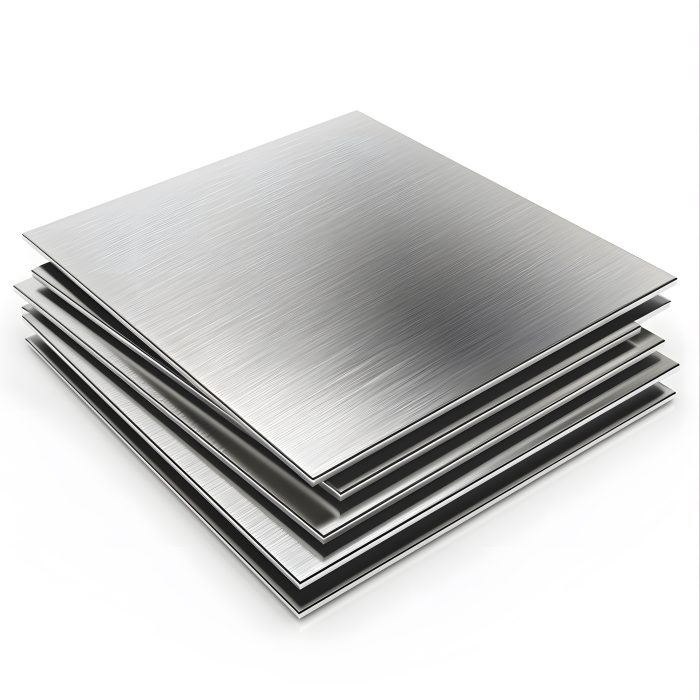
Steel plates are the foundation of strength, reliability, and durability. From construction and manufacturing to shipbuilding and power plants, steel plates are used everywhere. But with so many types — like mild steel, alloy steel, and stainless steel — how do you decide which one is right for your application?
1. Understand Your Application Requirements
Before choosing a steel plate, define where and how it will be used.
Ask yourself:
-
Will the plate be exposed to moisture, chemicals, or extreme temperatures?
-
Does it need to handle heavy loads or high pressure?
-
Is appearance or finish important?
For example:
-
Mild steel plates work best for general fabrication and low-stress structures.
-
Alloy steel plates are ideal for high-strength and heat-resistant applications.
-
Stainless steel plates are preferred where corrosion resistance and hygiene are critical.
2. Check Mechanical Properties
Each steel grade has different tensile strength, yield strength, and hardness.
-
High tensile strength means the plate can withstand more force without breaking.
-
High yield strength ensures it doesn’t deform easily under stress.
For heavy-duty applications such as oil rigs, pressure vessels, or bridges, choose steel plates with higher mechanical strength like EN10025 or ASTM A387 Alloy Steel Plates.
3. Consider Corrosion and Environmental Resistance
If your steel plate will be used in marine environments, chemical plants, or humid conditions, corrosion resistance is a major factor.
-
Stainless steel plates (grades 304, 316) provide excellent resistance to rust and chemicals.
-
Alloy steel plates with elements like chromium and nickel also perform well in corrosive conditions.
-
Mild steel plates, while cost-effective, require protective coatings to prevent rust.
4. Evaluate Temperature and Pressure Conditions
Industrial environments often involve extreme heat or cold.
-
For high-temperature operations, use alloy steel plates that maintain strength under stress.
-
For cryogenic or low-temperature environments, stainless steel is a better option due to its toughness and ductility.
5. Choose the Right Thickness and Size
Steel plates come in different thicknesses and dimensions, depending on the application.
-
Thicker plates are suitable for heavy machinery, boilers, and shipbuilding.
-
Medium to thin plates are used in automobile manufacturing and construction.
Always check your project specifications or engineering drawings to ensure the right fit.
6. Verify Quality Standards and Certifications
Always choose steel plates that meet recognized international standards such as:
-
ASTM (American Society for Testing and Materials)
-
EN (European Norms)
-
IS (Indian Standards)
Working with a trusted supplier like Namco Industries ensures your plates are certified, tested, and traceable for quality assurance.
7. Factor in Cost and Long-Term Value
While mild steel may be more affordable upfront, it might require more maintenance over time.
Alloy and stainless steel plates offer higher durability and less upkeep, providing better long-term ROI for demanding industrial projects.
Conclusion
Choosing the best steel plate isn’t just about price — it’s about finding the right balance between strength, durability, and cost-effectiveness. Understanding your project’s conditions, material requirements, and quality standards will help you make the right choice.
Click Here to share your requirement and receive a detailed RFQ from Namco Industries today.